Published on: 2025-08-29
Updated on: 2025-09-02
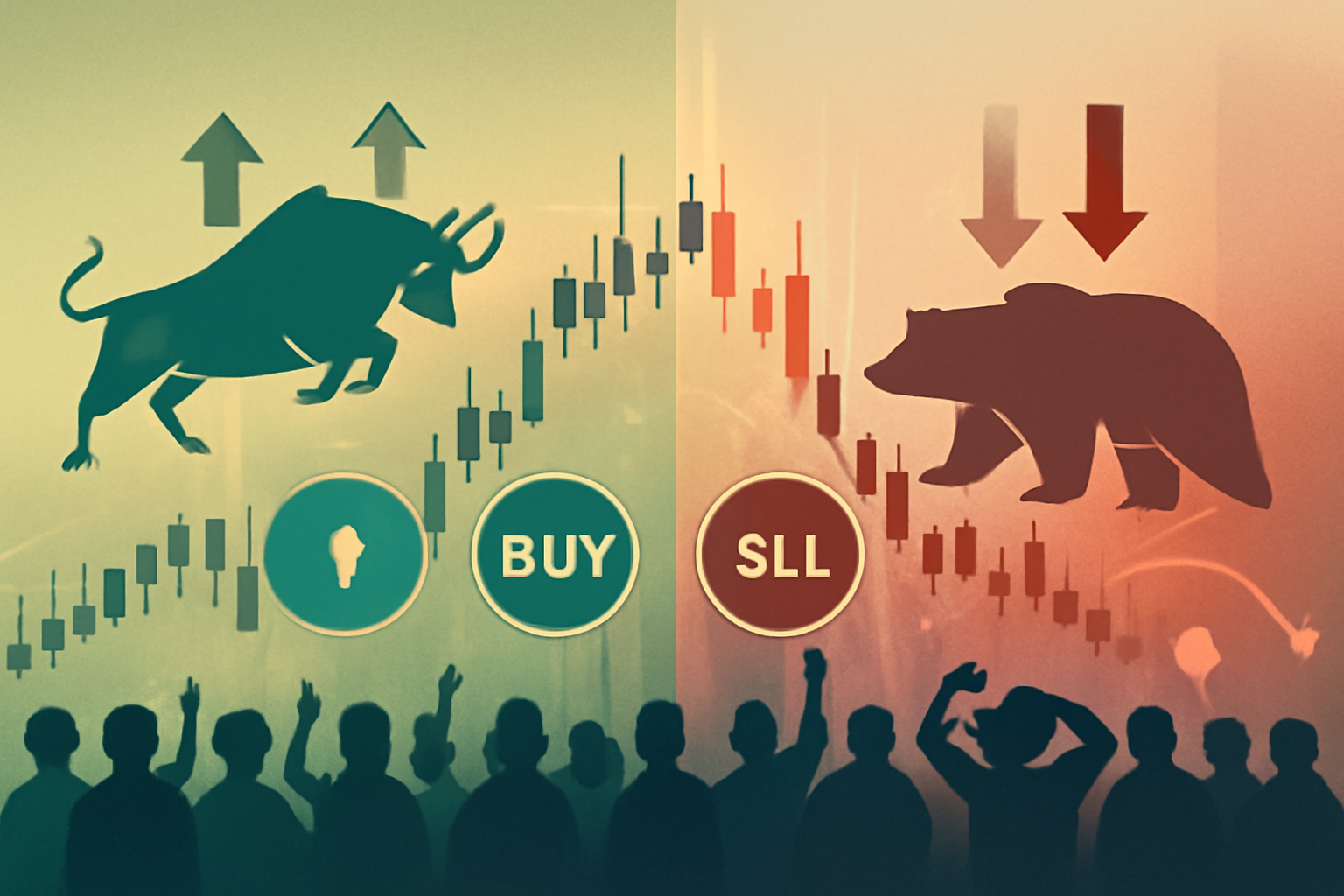
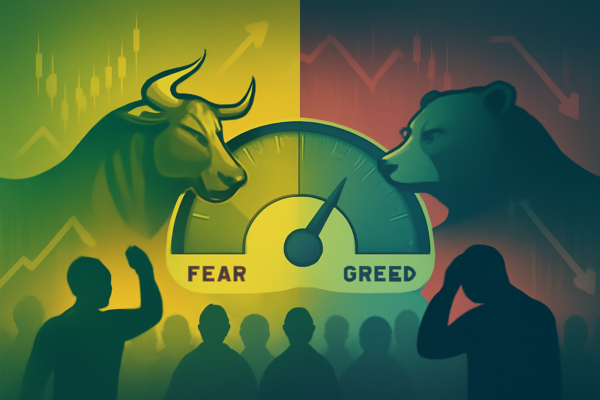
Market sentiment is the overall feeling or attitude of investors and traders towards a market or specific asset. It reflects the “crowd mood”—either bullish (optimistic, expecting prices to rise) or bearish (pessimistic, expecting prices to fall). Unlike hard data or analysis, sentiment is about psychology and emotion, and it often drives prices in the short term, sometimes overpowering logic or economic fundamentals.
Prices don't just move because of earnings or economic data; they move because of how people react—sometimes enthusiastically, sometimes fearfully. Market sentiment influences:
Short-term trends and volatility—optimistic crowds can drive prices rapidly higher, while panic can fuel sharp drops.
Reversals and turning points—when everyone is bullish, there may be no one left to buy; when fear peaks, sellers may dry up, leading to rebounds.
Trading strategies—understanding sentiment helps traders time entries and exits or go against crowded trades for better odds.
For both new and seasoned traders, reading the market's emotional temperature is essential for managing risk and seizing opportunity.
Imagine TechStar Inc.'s shares soar from $50 to $70 after upbeat news on artificial intelligence. Social media buzz explodes, and everyone from financial pundits to ordinary investors says, “TechStar is unstoppable.” This is extreme bullish sentiment.
But when buying slows and price stalls, a small piece of bad news or simple fatigue can prompt a sharp drop as the crowd's mood shifts. Conversely, when headlines scream disaster and everyone is selling, that widespread gloom may create a bargain-buying opportunity as emotions overshoot reality.
Traders use several tools and methods, often in combination to gauge sentiment:
Sentiment Surveys:
Polls like the AAII Investor Sentiment Survey ask retail and professional investors whether they feel bullish, bearish, or neutral. Extreme readings can signal that the crowd is all in one direction—a classic warning of possible reversal.
Put/Call Ratios:
Tracking how many traders are buying put options (bets on falling prices) versus call options (bets on rising prices). High put/call ratios can indicate mounting fear, while low readings may suggest excessive optimism.
Volatility Index (VIX):
Known as the “fear gauge,” the VIX measures expected stock market volatility. Spikes often mean investors are nervous, while very low VIX can indicate complacency.
Social Media and News Analytics:
Algorithms scrape news sites, forums, and platforms like X (Twitter) to track the volume and tone of posts about stocks, sectors, or markets—helpful for catching shifts in crowd mood, especially in markets like crypto.
Price Patterns:
Unusually sharp rallies, repeated failed breakouts, or sudden plunges can reveal changing sentiment, even before survey data or news stories surface.
Sentiment influences all markets, but the triggers and measurements may vary:
Stocks: Earnings, company news, and momentum drive sentiment. Social media and analyst upgrades can quickly swing moods.
Forex: Economic data, central bank policy, and global headlines create swift mood shifts between currencies.
Commodities: Supply shocks, weather events, and geopolitical risk often dominate sentiment.
Cryptocurrency: Sentiment can swing wildly with online hype, celebrity endorsements, or regulatory news, often tracked via social media buzz.
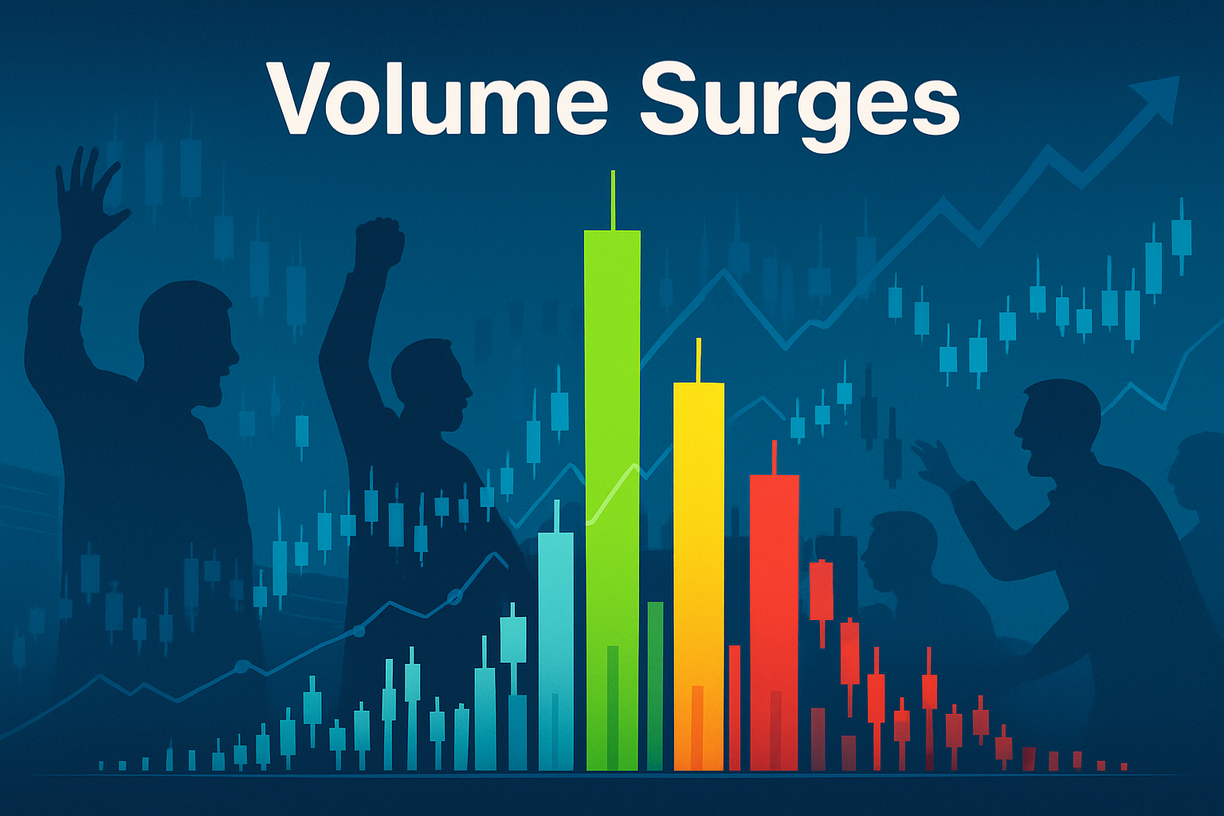
Volume Surges: High trading volumes on turning days suggest a real change in mood.
Divergences: Prices hit new highs but sentiment/volume stalls—a sign that a trend may be losing steam.
Overbought/Oversold: When technical and sentiment readings both sit at extremes, reversals are more likely—but not guaranteed.
During the dot-com bubble, wild optimism drove prices well beyond company fundamentals; when sentiment flipped to fear, markets crashed hard. The COVID-19 pandemic in early 2020 saw panic selling and years' worth of losses in weeks, followed by a record rebound once pessimism peaked. Bitcoin's rapid bull runs and brutal crashes are classic showcases of sentiment-driven price action, often amplified by online crowd behaviour.
Sentiment equals news: News influences mood, but sentiment is a distinct force—markets can keep moving long after headlines are old.
Sentiment alone predicts the future: Extreme readings are warnings, not timing mechanisms—markets can stay euphoric or fearful longer than expected.
All indicators are equal: No single sentiment tool is infallible; combining several gives better results.
You must always go against the crowd: Following the trend works—until an extreme is reached. Contrarians should wait for clear signs before betting against sentiment.
Bullish/Bearish: Core moods—bullish means optimism, bearish means pessimism.
Contrarian: Traders who bet against prevailing sentiment, aiming to profit from crowded trades reversing.
Fear & Greed Index: A composite gauge of emotions using multiple market indicators.
Overbought/Oversold: Technical measures showing when sentiment and price have swung too far in one direction.
| INDICATOR | WHAT IT GAUGES | WHEN TO USE |
| AAII Survey | Investor optimism/pessimism | Contrarian signals, mean reversion |
| Put/Call Ratio | Options market mood | Spotting extremes, reversals |
| VIX | Market fear/complacency | Timing/trend confirmation |
| Social Sentiment | Real-time online mood | Crypto, headline-driven assets |
Professionals see sentiment as a trading edge when used with prudence:
Always combine sentiment cues with fundamental and technical analysis.
Be wary when “everyone” piles into one side—herd behaviour often precedes sharp reversals.
Watch for divergences between sentiment readings and price action as a sign of exhaustion or hidden strength.
Use options and volatility data to identify hidden anxiety or overconfidence in the crowd.
Adapt quickly: sentiment can change in hours or minutes, especially after unexpected news or key economic releases.
Market sentiment is a powerful signal—sometimes the most important one. Understanding how crowd emotions move prices, and learning when to ride with the crowd or step aside is core to consistent trading success for both new and seasoned market participants.