Published on: 2025-08-29
Updated on: 2025-09-02
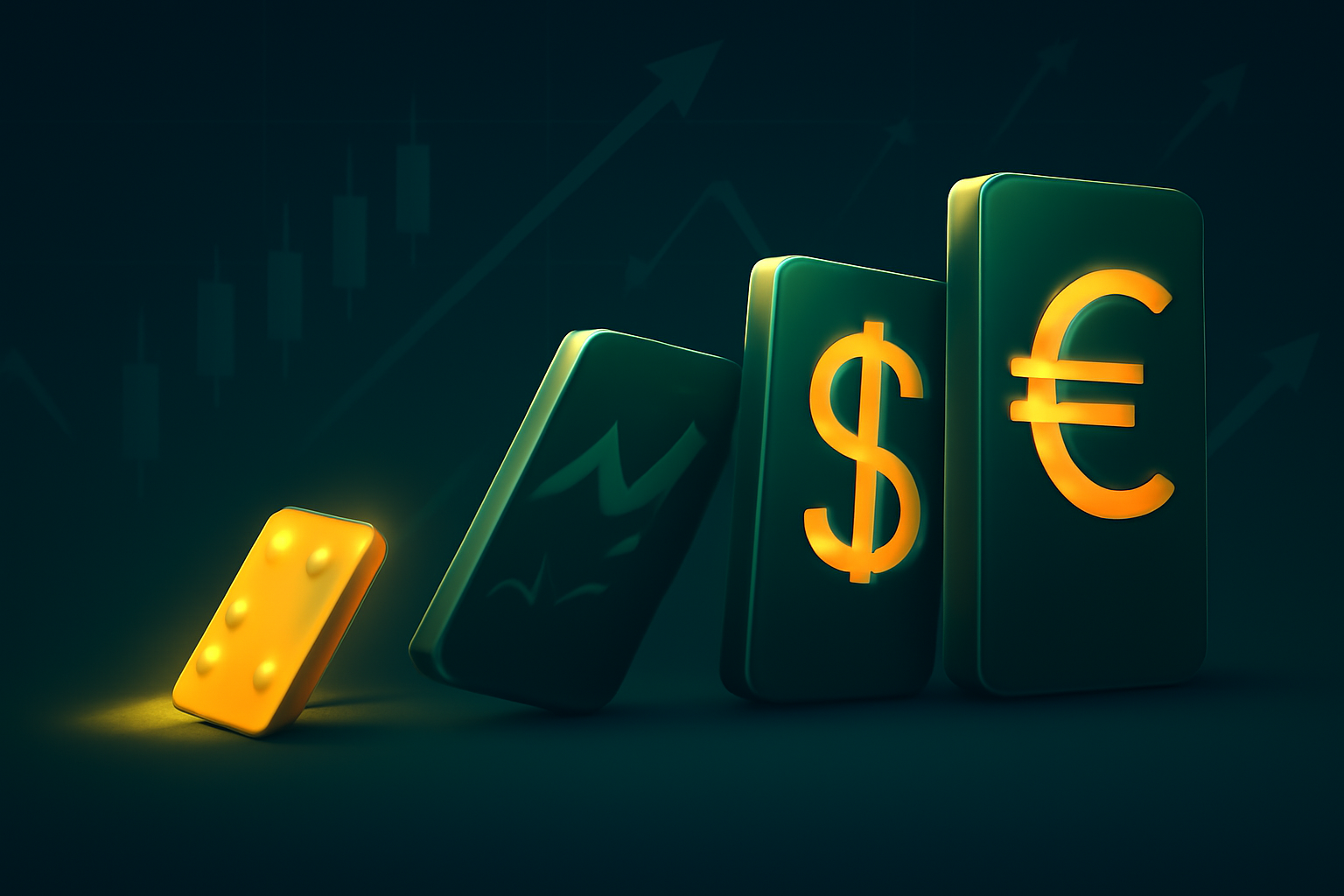
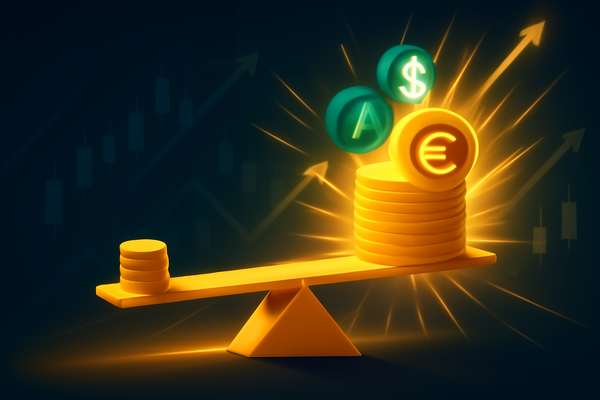
Leverage means using borrowed money or controlling more capital than you actually have to boost your buying or selling power in trading. With leverage, you put up a small deposit (called “margin”) to control a much bigger position. If the market moves your way, your gains are amplified—but losses grow just as fast if things turn against you. Leverage is available in forex, shares, CFDs, futures, and more.
Leverage is one of the biggest attractions—and dangers—in modern trading. By multiplying your market exposure, you can turn small price moves into big gains. However, this same power dramatically increases the risk of rapid and large losses. Leverage opens markets to traders with modest capital, making it possible to access opportunities that would otherwise be out of reach, but using it without strict control can quickly empty an account.
Imagine you have $1,000 in your account. Your broker offers 10:1 leverage, so you control a $10,000 position. If prices rise 1%, your gain is $100 (10% return on your deposit). But a 1% drop means a $100 loss, and a 10% drop wipes out your $1,000. This is why leverage is often called a “double-edged sword.”
Leverage guarantees profits
It actually multiplies both gains and losses.
You can't lose more than you put in
Fast market moves can exceed your deposit and create debt.
All assets offer the same leverage
Limits vary by product and broker, often set by regulators.
Higher leverage is always better
In reality, more leverage often leads to larger, faster losses.
Margin: The amount you must deposit to open a leveraged trade.
Margin Call: Broker's demand for more funds if your margin gets too low.
Stop-Out Level: The threshold at which brokers may forcibly close positions to prevent further loss.
CFD (Contract for Difference): A product allowing leveraged trading without owning the underlying asset.
Forex often allows high leverage (up to 30:1 or more for retail traders).
Stocks usually allow less (often 2:1 in regulated markets).
Futures and options have high built-in leverage via margin.
Crypto platforms may offer extreme leverage (up to 100:1), but the risk is much higher.
Use stop-loss orders to cut losing trades automatically.
Limit your position sizes—a small percentage of your account per trade is safest.
Know your broker's margin rules and where margin calls or forced closes can happen.
Reduce leverage when markets are volatile to avoid blow-ups.
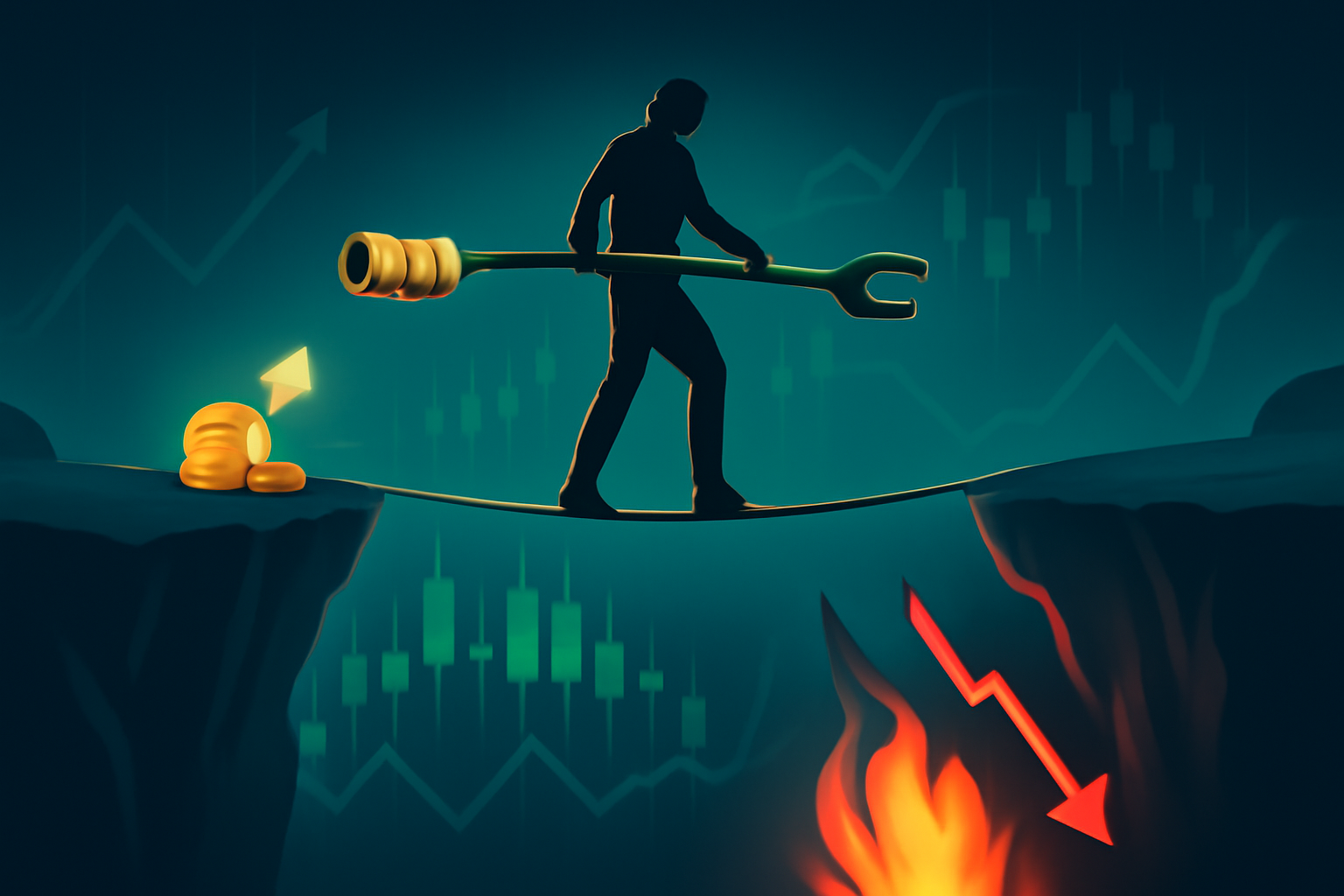
Trading with leverage makes wins and losses feel larger, often leading to stress, emotional swings, and the temptation to chase losses or trade impulsively. Many traders are shocked by how quickly accounts can swing up and down. Keeping emotions in check, following a clear plan, and accepting that not every trade will be a winner are crucial when leverage is involved.
Leverage rules differ greatly around the world. The US and EU regulators cap leverage (e.g., 50:1 or 30:1 for forex) to protect retail investors. Asia and many offshore brokers may offer much higher leverage—sometimes 100:1 or more—but with less oversight. Limits for stocks, indices, commodities, or crypto all vary by market and broker. It's vital to understand your trading environment and choose reputable, regulated providers.
Say you enter a $50,000 trade using $5,000 margin—that's 10:1 leverage.
A 2% price move nets you $1,000 profit or loss (20% of your margin).
If the move is larger or goes the wrong way, losses scale just as fast.
If losses get too large, you'll face a margin call or even forced-closed trades.
Leverage has caused dramatic market blow-ups. In 2015, a sudden Swiss franc surge due to central bank action wiped out thousands of traders and some brokers who were over-leveraged. High-leverage crypto traders saw their accounts liquidated when bitcoin crashed sharply in 2021. These events highlight that even one extreme move can erase both accounts and companies.
|
PROS |
CONS |
| Magnifies gains for small moves |
Amplifies losses just as quickly |
| Grants access to larger trades | Risk of losing more than the deposit |
| Let traders diversify their portfolios easily | Adds psychological pressure |
| Common in many financial markets |
Requires strict discipline and planning |
Use leverage strategically—not just to go bigger.
Professionals rarely use full leverage allowed; they size positions based on risk, not maximum possible exposure.
Spread leverage across trades for diversification, not concentration.
Stress-test your portfolio—how much could you lose in a worst-case scenario?
Understand and follow all broker/regulatory rules.
Active management and robust stop-loss discipline are essential to survive and thrive with leverage.
Leverage is a powerful tool that can open doors and magnify returns—but only in the hands of cautious, disciplined traders. Respect its risks and manage it wisely, or it can turn small errors into costly lessons.