Published on: 2025-08-29
Updated on: 2025-09-02
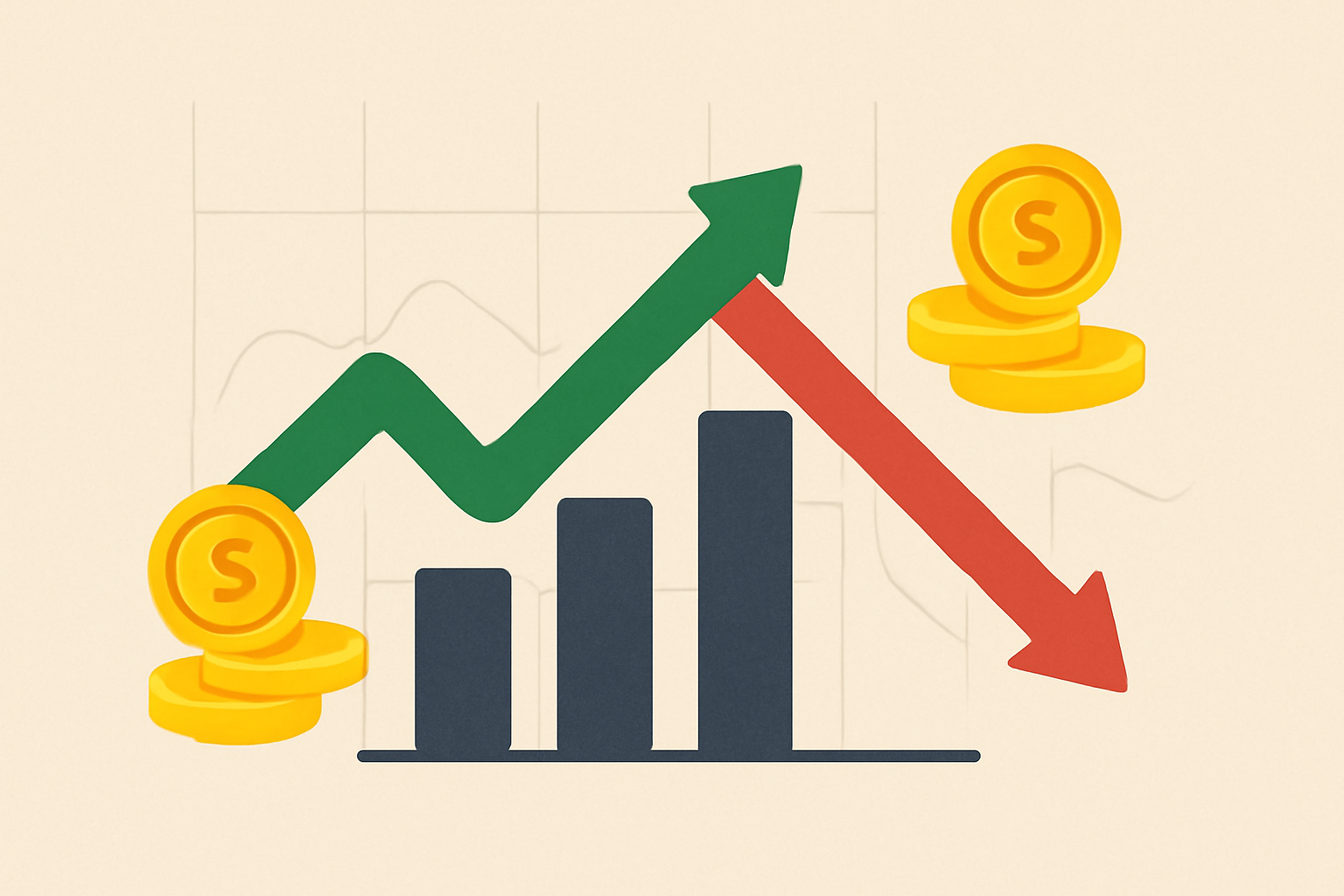
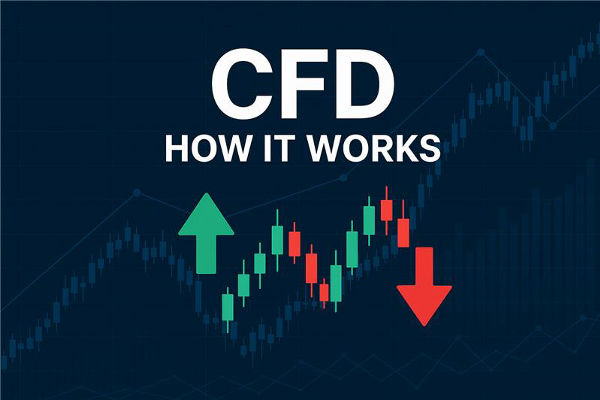
A CFD (Contract for Difference) is a financial contract between you and a broker allowing you to speculate on the price movement of an asset—like stocks, currencies, commodities, or indices—without owning it. You agree to exchange the difference between the asset's price at the time you open and close the contract. If the price moves in your favour, you profit; if not, you lose. CFDs are typically traded with leverage, so you control a large trade with a relatively small deposit (called margin).
CFDs offer traders a fast, flexible way to access global markets:
Profit from Both Directions: You can “go long” (betting prices rise) or “go short” (betting prices fall).
Wide Market Access: Trade many asset classes—including shares, indices, forex, commodities, and even some cryptocurrencies—all from one account.
Leverage: Control larger exposure with a small deposit, which boosts both profit and loss potential.
No Asset Ownership: You never own the underlying shares, oil, gold, etc.—you're purely speculating on price.
CFD prices closely mirror the underlying market price but may include a small broker “spread” (difference between buy and sell quotes). You never take delivery of the physical asset—your profit or loss is settled in cash when you close the trade.
Overnight financing: If you hold CFD positions beyond a trading day, many brokers charge an overnight funding fee. This cost can add up, making short-term trades generally more cost-effective than holding for weeks or months.
CFDs provide access to a broad range of markets:
Equities: US, UK, European, and Asian company shares.
Indices: Major stock indices like the S&P 500, Nasdaq, FTSE 100, DAX.
Commodities: Gold, oil, silver, natural gas, agricultural products.
Forex: Major, minor, and exotic currency pairs.
Cryptocurrency: Some brokers offer CFDs on Bitcoin, Ethereum, and other digital assets.
This single-platform access makes CFDs attractive for diversifying and seizing opportunities worldwide.
Suppose you want to trade Apple shares but do not own them. You “go long” 100 Apple CFDs at $200 each ($20,000 exposure), but only deposit $2,000 margin (10:1 leverage).
If Apple rises to $210, you gain $1,000 (100 x $10 change, minus fees).
If Apple falls to $190, you'd lose $1,000.
You can also “go short”—if you believe Apple will fall and it drops, you profit the same way.
CFDs let you react quickly, take advantage of both rising and falling prices, and only tie up a fraction of the full value.
CFDs do not give you asset ownership, so you don't receive shareholder voting rights. However, brokers may adjust your account for dividends if you “go long” stock CFDs.
Tax rules: CFD profits may be taxed differently from stock sales—sometimes as capital gains, sometimes as income. Tax treatment differs by country, so check your local regulations or consult a professional.
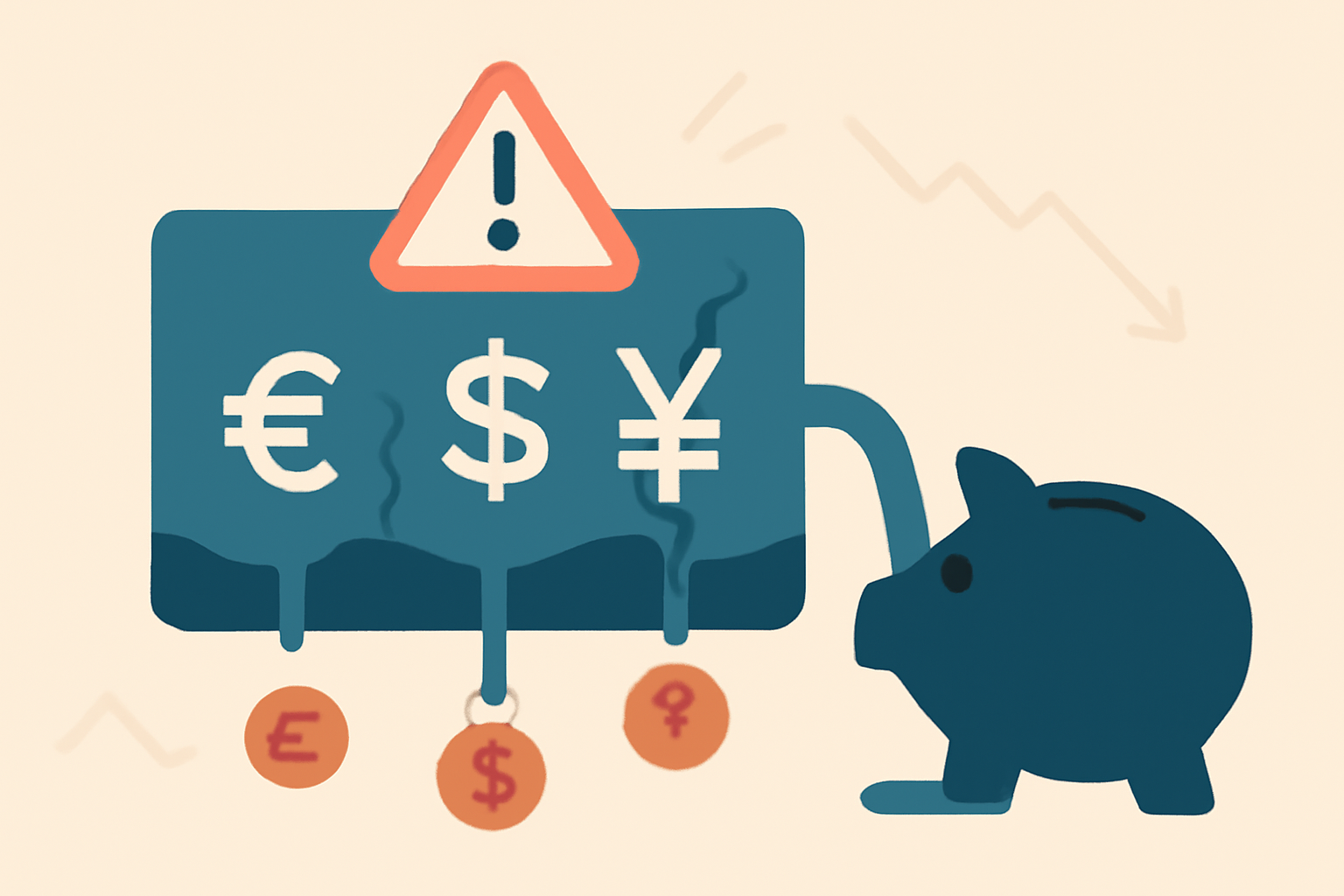
While leverage is a core risk, other hazards include:
Liquidity Risk: Less popular markets or smaller assets may have wider spreads, making it harder to enter or exit at your chosen price.
Counterparty Risk: Your profit is often your broker's loss, so always use regulated, reputable brokers to avoid default risk.
Slippage: In fast markets, your stop-loss or entry may execute at a worse price than expected, especially during volatile news events.
Both CFDs and spread betting allow you to speculate on price moves with leverage, without ownership.
Spread betting is usually tax-free on profits in the UK and Ireland, but is only available to residents.
CFDs are subject to capital gains tax in many countries and are more widely available.
Check the regulatory details and tax specifics in your region.
Trade setup: A trader decides to go long $5,000 of Tesla CFDs at $500 (10 CFDs).
Risk management: Sets a stop-loss at $480 and a take-profit at $520.
If Tesla rises to $520:
Profit = (520 – 500) x 10 = $200
If Tesla falls to $480:
Loss = (500 – 480) x 10 = $200
The broker will also charge the spread (maybe $1 per CFD trade) and overnight fees if the position is held beyond the trading day.
|
PROS |
CONS |
| Profit from rising & falling markets |
High risk due to leverage, volatility |
| Access to many global assets from one place | Can lose more than the initial margin |
| Flexible position sizes, low entry cost | Financing charges reduce long-term gains |
| Simple to short-sell | No asset ownership, no shareholder benefits |
| Quick market access and order execution | Regulatory and tax rules add complexity |
CFDs are easy money: Fast moves with leverage mean big losses are as likely as big gains.
You own the asset: No ownership—no voting rights, and dividend treatment may differ.
Risk is limited to margin: Sudden price gaps or high leverage can lead to losses beyond your deposit.
No or low fees: Costs come via the spread and (for multi-day holds) overnight financing.
Leverage: Borrowed capital to increase exposure and potential gain/loss.
Margin: The capital you must deposit to open a leveraged trade.
Spread: The difference between the buy and sell price set by the broker.
Stop-Loss Order: Automated close-out order to limit your risk.
Professional traders treat CFDs as tactical trading tools, not “get-rich-quick” products.
Risk management is king: Use stop-losses, reasonable position sizing, and never over-leverage.
Understand market conditions: Use CFDs for fast-moving, intraday, or hedging strategies—beware of holding through market gaps or major news.
Choose your broker carefully: Regulation and account protections matter; your broker is your counterparty.
Track all costs: Spreads and overnight financing charges can erode profit in longer trades.
CFDs are powerful and versatile, but only if you respect their risks, use leverage judiciously, and understand both the mechanics and costs before trading. For disciplined, informed traders, they open worldwide opportunities, whether markets rise or fall.
Disclaimer:
This material is for general information purposes only and is not intended as (and should not be considered to be) financial, investment, or other advice on which reliance should be placed. No opinion given in the material constitutes a recommendation by EBC or the author that any particular investment, security, transaction, or investment strategy is suitable for any specific person.