Published on: 2023-08-24
Updated on: 2024-05-28
Excess money liquidity refers to the excess money supply in the market while the demand is insufficient to support such a large money supply. It is a manifestation of monetary policy imbalance, often leading to increased inflation and financial risks.
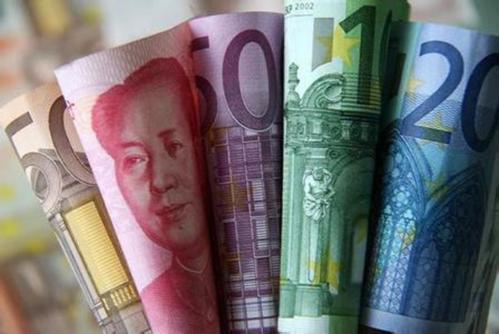
When the money supply in the economy exceeds the demand, there will be an excess of liquidity. This may be due to the excessive expansion of the money supply by the central bank, excessive lending by banks, and the influx of funds. In this situation, the amount of currency in the market far exceeds the demand for investment, consumption, and savings, leading to a decrease in currency value and an increase in inflationary pressure.
Excessive monetary liquidity has had a series of impacts on the economy. Firstly, a significant increase in the money supply will lead to currency depreciation, which in turn will push up price levels and potentially lead to inflation. Secondly, excess money supply will stimulate excessive foam in the capital market and the real estate market, which may lead to financial risks. In addition, excess monetary liquidity may also lead to a downward trend in interest rates, which may have a negative impact on the returns of financial institutions and depositors.
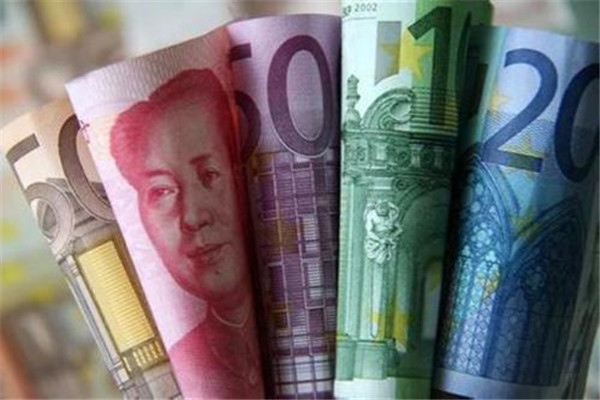
Simply put, liquidity refers to money, and excess liquidity means that there is too much money in the supply. Excessive money supply can lead to the depreciation of the RMB, which is not conducive to the development of importing enterprises and can also lead to economic overheating, inflation, and other situations.
When liquidity is sufficient: In the stock market, increasing liquidity can drive Stock Prices up. Due to excess liquidity, commodity prices will rise, so related concept stocks directly benefit, such as scarce resource stocks, agricultural and sideline products stocks, Crude Oil stocks, coal stocks, etc.
When there is excess liquidity, the state will regulate M0, M1, and M2, that is, tighten liquidity, such as by raising interest rates, reducing reverse repo, issuing treasury bonds, etc. Tight monetary policy can curb economic overheating, but it has certain negative effects on the stock market. If there is excess liquidity in the domestic currency due to the influx of foreign capital or hot money, the country will regulate the exchange rate, increase restrictions on foreign investment inflows, and use other means to reduce foreign investment inflows.
There are Various Reasons for Excess Liquidity:
Mainly including domestic monetary policy, changes in the economic cycle, deficiencies in the exchange rate system, and a large influx of hot money.
What are the Consequences of Excess Liquidity?
1. The result of excess liquidity is a large amount of funds chasing after real estate, basic resources, and various financial assets, leading to a rapid increase in asset prices. The rise in upstream resource prices will inevitably drive up the prices of downstream consumer goods.
2. If some liquidity starts chasing consumer goods under the stimulation of certain factors, it will lead to a rapid rise in prices. Excess liquidity is easy to lead to economic overheating and economic foam, so it often becomes an economic phenomenon that countries pay close attention to.
Liquidity should be moderate, as both excess and contraction will have varying degrees of impact on the economy. Excessive liquidity is often accompanied by significant inflation, rising asset prices, and a widening wealth gap in society. If asset prices excessively rise, once the central bank starts implementing a tightening monetary policy, it is likely to trigger a global risk.
Disclaimer: This material is for general information purposes only and is not intended as (and should not be considered to be) financial, investment or other advice on which reliance should be placed. No opinion given in the material constitutes a recommendation by EBC or the author that any particular investment, security, transaction or investment strategy is suitable for any specific person.