Published on: 2025-05-28
Trading holidays are more than just a break for traders; they have significant impacts on market dynamics, including liquidity, volatility, and the overall timing of trades.
Whether you're a seasoned trader or a beginner, understanding the intricacies of trading holidays and how to plan your strategy around them is vital for maximising profits and minimising risks.
This article explores trading holidays, how they influence the market, and what you can do to adjust your trading approach during these periods.

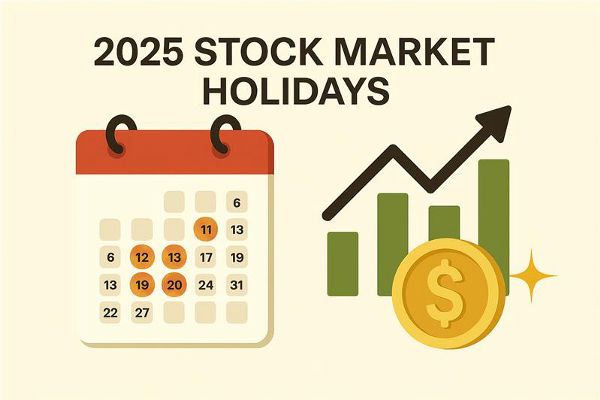
A trading holiday refers to a day when financial markets are closed, or exchanges operate with reduced hours. These holidays vary by country, and by exchange, but the most common ones are national holidays or significant global events like Christmas or New Year's Day. For example, stock markets like the New York Stock Exchange (NYSE) or London Stock Exchange (LSE) shut down on days such as Independence Day or the Queen's Birthday.
Although stock markets tend to observe these holidays, other markets like forex, commodities, and futures may be less impacted, though many still see lower liquidity and volatility. As a result, understanding these variations is crucial for adjusting your trading strategy.
When markets close or have shortened hours, liquidity can significantly decrease. In the case of forex, while it's a global market that remains open during some holidays, fewer participants can lead to wider spreads and increased slippage, potentially affecting your entry and exit points.
Moreover, volatility tends to be more pronounced before and after a holiday, as traders adjust their positions. The lead-up to a holiday might bring sharp moves as traders close their positions, while the reopening of the market could see pent-up demand drive price fluctuations.
Anticipate Lower Liquidity: As trading volume declines during holidays, spreads can widen, and prices may become more volatile. This can either work in your favour or against you. Therefore, it's important to be cautious and adapt your risk management practices. Consider scaling back on position sizes and use tighter stop-loss orders.
Plan for Delayed Reactions: Sometimes, the effects of market-moving news may not be fully realised until after the holiday, leading to delayed reactions. For example, if economic data is released before a holiday, the market may not fully process it until trading resumes. Plan for possible volatility spikes when the market reopens.
Take Advantage of Low-Volume Periods: Despite the potential for increased volatility, trading during low-volume periods can sometimes present opportunities for profit, especially if you have a specific strategy in place. Use tools like limit orders to capitalise on price movements while managing risks effectively.
Watch for Holiday Market Patterns: Many traders observe recurring patterns during trading holidays. For example, holiday periods often see a reduction in major announcements or events, leading to a lull in activity. Keeping an eye on market sentiment can help you make more informed decisions about when to trade and when to stay on the sidelines.
The key to navigating trading holidays successfully is preparation. Whether it's adjusting your position sizes, tightening your stop-loss limits, or preparing for potentially higher spreads, planning ahead can make all the difference.
Ensure your trading system accommodates these changes and that you've taken the time to set realistic expectations about the volatility of the market.
Trading holidays provide unique challenges and opportunities for traders. By understanding how these days affect market dynamics, liquidity, and volatility, you can better prepare your strategies. While it's tempting to trade during quieter periods, the risks involved make it essential to plan and stay disciplined.
Whether you decide to scale back your activity or trade strategically during these times, always remember that preparation is the key to navigating trading holidays successfully.
Disclaimer: This material is for general information purposes only and is not intended as (and should not be considered to be) financial, investment or other advice on which reliance should be placed. No opinion given in the material constitutes a recommendation by EBC or the author that any particular investment, security, transaction or investment strategy is suitable for any specific person.