Published on: 2025-05-29
The Tahiti currency market, while not one of the most traded globally, presents a unique opportunity for traders seeking diversification. It plays a crucial role in the wider Pacific Island economy, offering distinct features that can be advantageous for specific strategies.
In this article, we'll explore the key aspects of the Tahiti currency market, the factors that influence its movements, and how traders can approach it effectively.
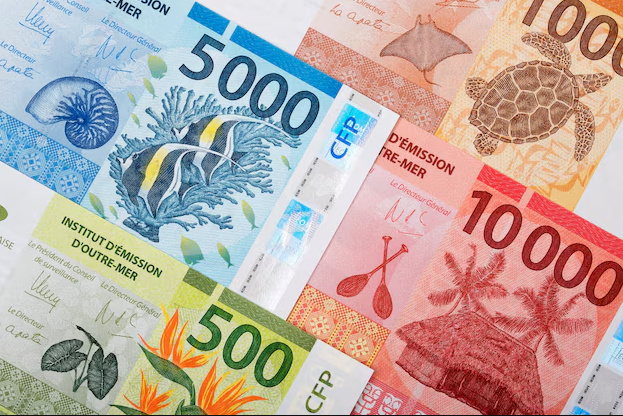
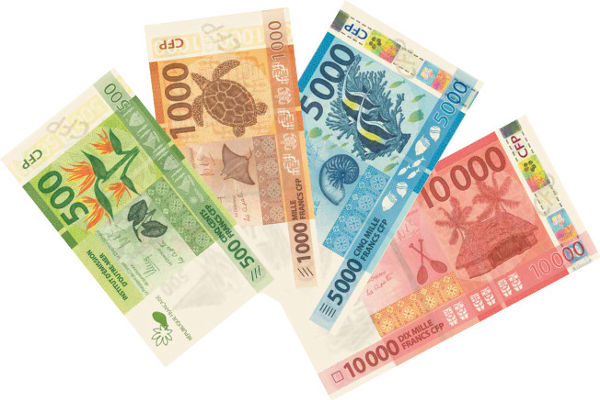
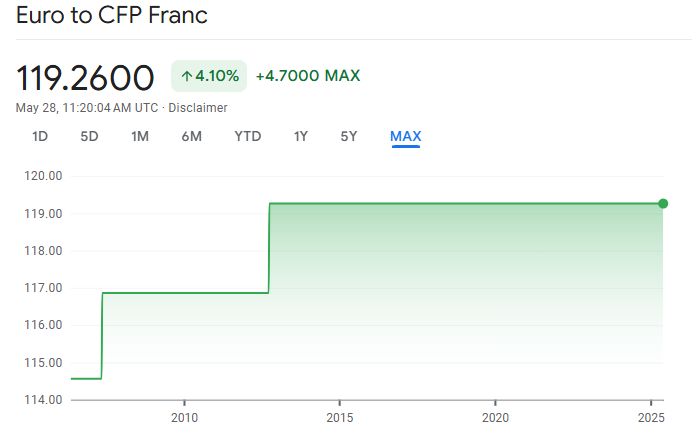
Tahiti, a French Polynesian island, uses the CFP franc (XPF) as its official currency. This currency is shared with other French Pacific territories and is pegged to the euro.
While it might not receive the same attention as major currencies like the USD or EUR, the Tahiti currency market offers unique characteristics that can be beneficial for certain trading strategies. The XPF can act as a good hedge against fluctuations in other currencies or as a means of accessing the Pacific Island region's economic activity.
Several factors influence the Tahiti currency market, including economic policies, trade agreements, and global economic conditions. Since the currency is pegged to the euro, any significant movement in the euro can directly impact the XPF exchange rate.
Economic Ties with France: Being a French overseas territory, Tahiti's economy is closely tied to France. Thus, changes in French economic policies or the performance of the eurozone can significantly influence the value of the Tahiti currency.
Tourism: Tourism is a major contributor to Tahiti's economy, with thousands of visitors flocking to the island each year. A boom in tourism can lead to an increase in demand for the Tahiti currency, while economic downturns or global crises (such as the COVID-19 pandemic) can reduce the flow of tourists, affecting the currency's value.
Natural Disasters: Tahiti is located in the Pacific Ocean, an area prone to natural disasters like cyclones and earthquakes. These events can severely impact the local economy, influencing the Tahiti currency market in the short term.
Trade and Exports: The island exports goods like pearls, vanilla, and fish, with trade relations playing a key role in the strength of the Tahiti currency. Shifts in global demand for these exports can have a direct effect on the currency's value.
Trading in the Tahiti currency market requires a deep understanding of both local and global factors. Here are a few strategies that traders use to navigate the market:
Focus on Euro Movements: Since the XPF is pegged to the euro, movements in the euro-dollar exchange rate can influence the Tahiti currency. Traders should monitor any changes in the euro and its impact on the XPF.
Long-Term Investment Strategy: Given the stability of the Tahiti currency, this market may not be suited to day trading for most traders. Instead, it could be a good option for long-term investment strategies, especially for those looking to diversify their portfolio.
Risk Management: As with any currency trading, effective risk management is key. Since the Tahiti currency market can be volatile, especially during times of economic instability or natural disasters, it's essential to use risk management tools like stop-loss orders to limit potential losses.
Leverage Global Trends: Global economic trends, such as changes in oil prices or shifts in global interest rates, can also influence the Tahiti currency market. Traders should be aware of these external factors that could impact the island's economy and the value of the XPF.
While the Tahiti currency market may not be as widely traded as some of the major currencies, it presents unique opportunities for those looking to diversify their trading portfolio.
With its connection to the euro and the economic dynamics of Tahiti and French Polynesia, the XPF provides a distinct avenue for traders. However, understanding the local economy, global economic conditions, and potential risks is essential to trading successfully in this niche market.
Disclaimer: This material is for general information purposes only and is not intended as (and should not be considered to be) financial, investment or other advice on which reliance should be placed. No opinion given in the material constitutes a recommendation by EBC or the author that any particular investment, security, transaction or investment strategy is suitable for any specific person.