Published on: 2025-08-29
Updated on: 2025-09-02
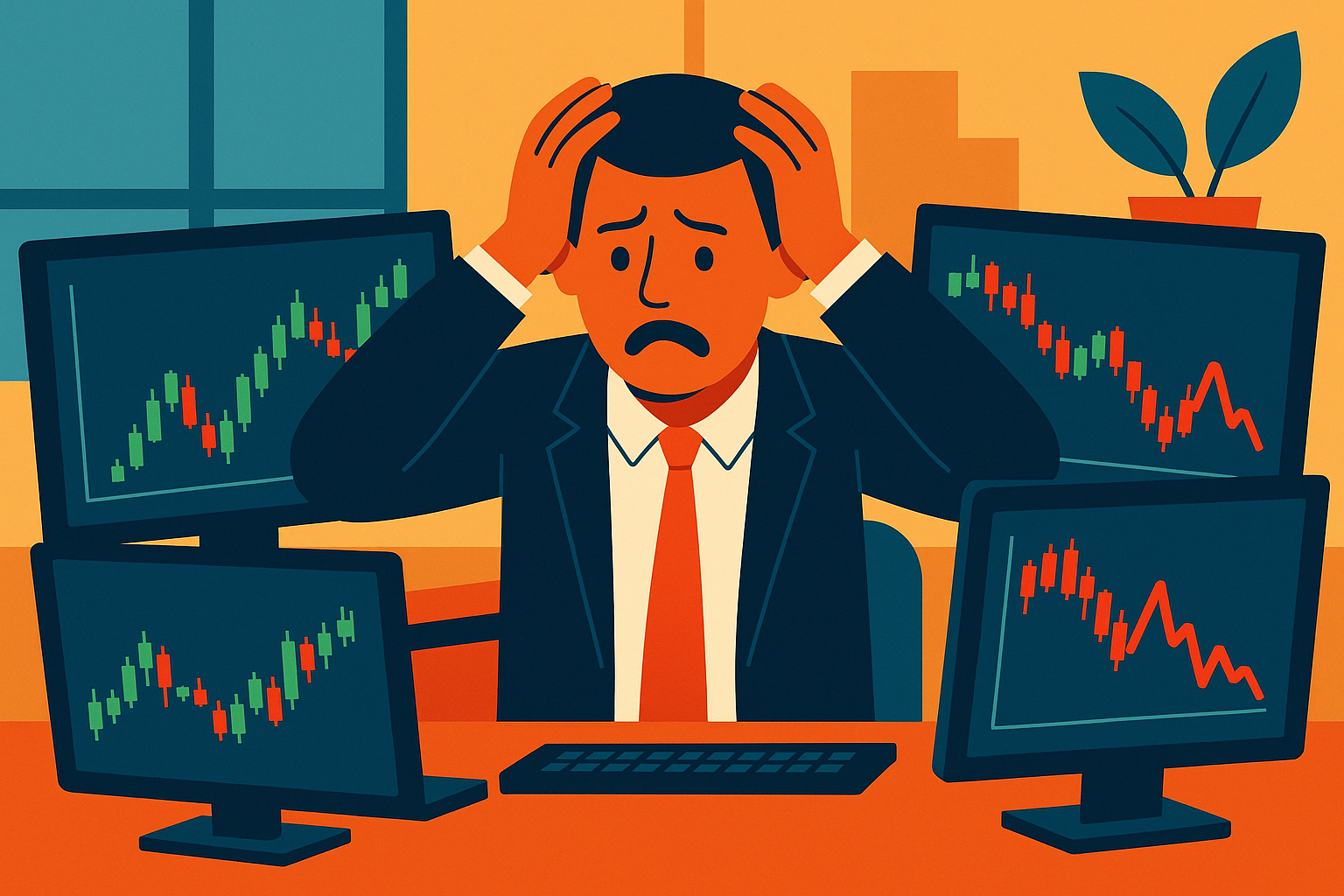
Slippage is the difference between the price you expect to trade at and the price your order actually executes. It's usually measured in cents, ticks, or pips—the exact unit depends on the market. This gap occurs because prices can move very quickly, or there might not be enough buyers or sellers at your desired price when your order is processed. Slippage can be negative (you end up paying more or receiving less than expected) or positive (paying less or receiving more). Even in high-frequency trading, where execution is extremely fast, slippage happens when prices change faster than trades can be completed.
Slippage is a direct cost that reduces your trading profits or increases your losses. Negative slippage means you spend more or get less than expected, which can turn potentially profitable trades into marginal or losing ones. This impact is felt most during volatile market conditions like news releases or in assets with low liquidity, where price jumps between your order placement and execution are more common.
Ignoring slippage can lead you to underestimate your trading costs and the risks involved, potentially making your strategies less effective than expected. Over many trades, even small slippage adds up, eating into your returns. That's why successful traders factor it into their planning and backtesting, ensuring their expectations align with real-market conditions.
Imagine you place a market order to buy 1,000 shares of a stock priced at exactly $50.00, expecting to pay $50,000.
Due to rapid price movement or limited shares available at $50, your order fills at an average price of $50.10.
You therefore pay $50,100, experiencing negative slippage of $0.10 per share, or $100 overall.
Conversely, if the execution price had been $49.90, you would have benefited from positive slippage, saving $100.
In forex trading, for instance, if you try buying EUR/USD at 1.1000 but your order fills at 1.1003 because of fast price changes, this 3 pip slippage, especially when combined with high leverage, can significantly affect your trade's value.

Only market orders cause slippage: Stop-loss and take-profit orders can also experience slippage, especially in fast markets.
Limit orders always prevent slippage: While limits protect from worse prices, they may result in no trade if the price doesn't reach the limit.
Slippage doesn't happen in liquid markets: Even the most liquid assets can suffer slippage during sudden price jumps or news events.
Slippage is always bad: Positive slippage happens, but it's unpredictable and should not be counted on.
Ignoring slippage in automated trading: Algorithms can suffer from small slippage amounts that sum to big performance gaps over many trades.
Assuming slippage occurs only during high volatility: Lack of liquidity outside regular market hours can also cause slippage.
Market Order: An Order to buy or sell immediately at the best available price, but prone to slippage.
Limit Order: Sets a price ceiling or floor, preventing negative slippage but possibly missing execution.
Liquidity: The market's ability to handle large buy or sell orders without big price changes; low liquidity raises slippage risk.
Volatility: How much the price moves; greater volatility increases the chance of slippage.
Spread: The difference between the bid and ask price; combined with slippage, it affects total transaction costs.
Order Book Depth: The number of buy/sell orders at different price levels; thin depth can increase slippage.
Pro traders minimise slippage by:
Trading during periods of high liquidity, such as overlapping forex sessions (e.g., London and New York).
Using limit orders or “iceberg” orders that hide large position sizes to prevent moving the market.
Breaking large trades into smaller segments to reduce market impact.
Avoid trading during major news releases when volatility spikes.
Choosing brokers with proven fast execution and efficient order routing.
Incorporating estimated slippage into backtests and risk models to reflect realistic performance.
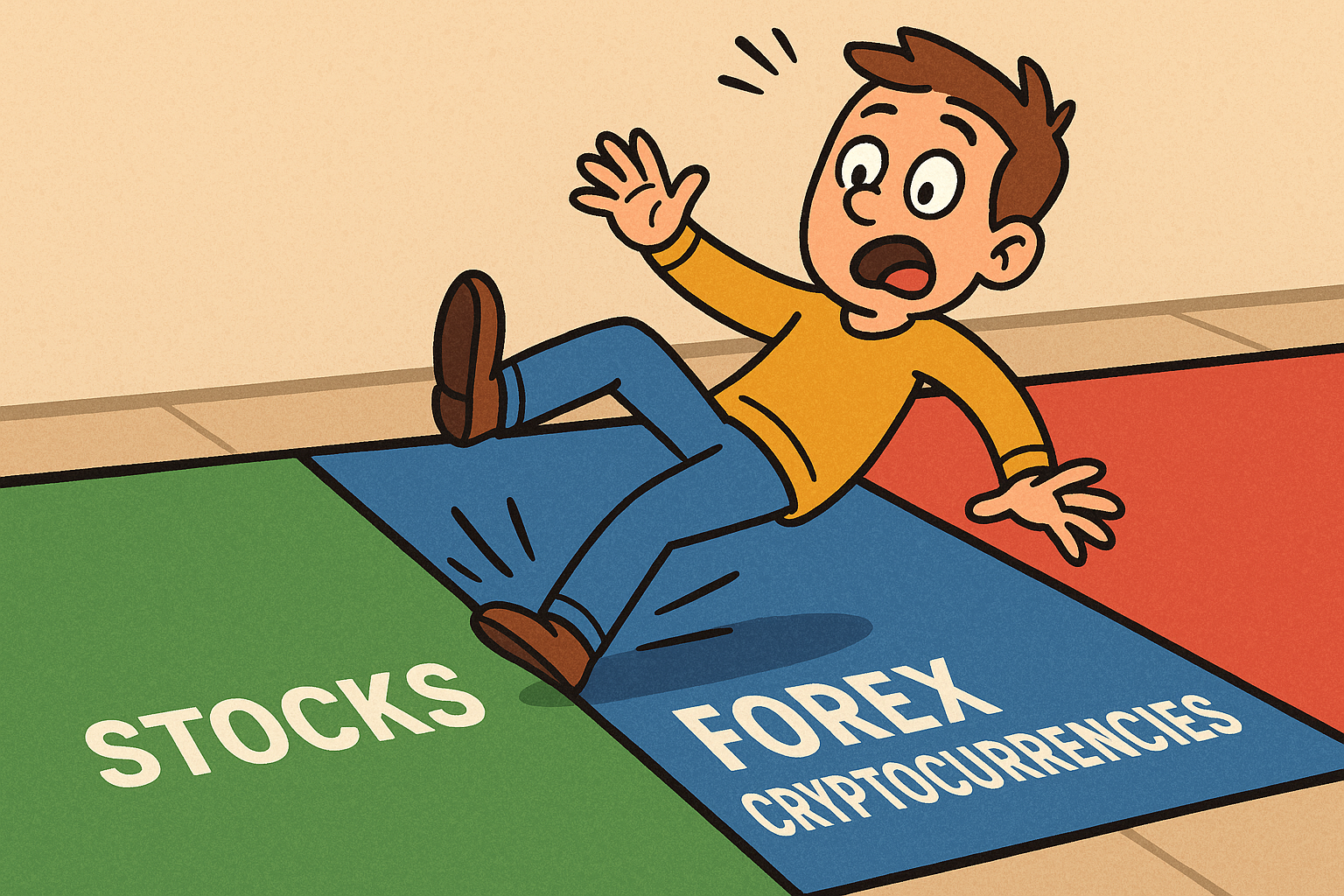
Stocks: Spread size and order book depth largely influence slippage. During earnings season or unexpected news, slippage can spike.
Forex: Slippage is measured in pips, with liquidity highest during global session overlaps, though it can evaporate rapidly.
Cryptocurrencies: Trading 24/7 with uneven liquidity leads to slippage risks that fluctuate, especially for smaller coins or thin markets.
Trade during high liquidity times to reduce price impact.
Avoid market orders immediately before or after key economic news unless urgent.
Use limit orders thoughtfully to control execution price while balancing the risk of missed fills.
Split large orders into smaller chunks where possible to lessen market impact.
Choose brokers known for fast, low-latency execution and reliable order routing.
Slippage is a natural part of trading, but knowing why it happens and how to manage it empowers you to reduce costs, protect your capital, and improve trade performance over time.


World's Best Broker