Published on: 2025-05-22
Understanding the difference between “sell to open” and “sell to close” is crucial for anyone trading options or futures. These terms define whether you are initiating a new position or closing an existing one, and mixing them up can lead to costly errors.
In this article, we highlight the most common mistakes traders make when using sell to open and sell to close orders, and how to avoid them for a smoother, more successful trading experience.
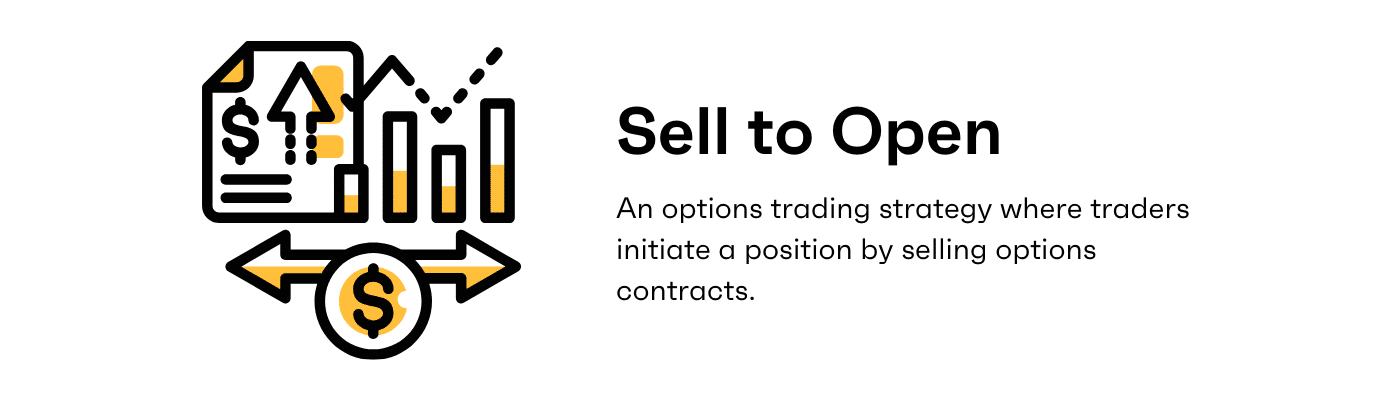
“Sell to open” is used when you are initiating a new short position in an options or futures contract. By selling to open, you are creating a new obligation—such as writing a call or put option—expecting the price to move in your favour so you can later buy it back at a lower price (for a profit) or let it expire worthless.
“Sell to close” is used when you already hold a long position in an option or future and want to exit that position. Here, you are selling an existing contract that you previously bought, closing out your exposure and realising any gain or loss.
1. Confusing Sell to Open with Sell to Close
One of the most common errors is mixing up these order types, especially for new options traders. Using “sell to open” when you intend to close a position, or vice versa, can result in unwanted positions or increased risk. Always double-check your order type before submitting.
2. Overlooking Margin and Risk Requirements
Selling to open, particularly with uncovered (naked) options, exposes you to potentially unlimited risk. Many traders underestimate the margin required and the risk involved. Ensure you fully understand the obligations and have sufficient margin before initiating a sell to open order.
3. Failing to Monitor Open Positions
Some traders forget that selling to open creates a new obligation that must be managed. If the market moves against you, losses can mount quickly. Regularly monitor all open positions and have a plan for managing adverse moves.
4. Ignoring Assignment Risk
When you sell to open options, especially American-style options, you may be assigned at any time if the option is in the money. Failing to account for assignment risk can result in unexpected positions or losses. Always be aware of expiration dates and the likelihood of early assignment.
5. Not Closing Positions Before Expiry
If you forget to sell to close before an option expires, you may face automatic exercise or assignment, which can lead to unwanted stock positions or additional risk. Set reminders for expiry dates and review your portfolio regularly.
6. Misunderstanding Tax Implications
The tax treatment of options trades can differ depending on whether you sell to open or sell to close. Failing to track your trades accurately can lead to reporting errors and potential tax issues. Keep detailed records and consult a tax professional if needed.
7. Overtrading and Lack of Strategy
Some traders use sell to open and sell to close orders without a clear strategy, simply reacting to market moves. This can lead to overtrading, increased costs, and inconsistent results. Develop a disciplined Trading plan and stick to it.
Double-check your order type: Confirm whether you're opening or closing a position before placing any trade.
Understand your risk: Know the margin and potential losses for every trade, especially when selling to open.
Monitor your positions: Use alerts and regularly review your portfolio to manage risk and avoid surprises.
Plan for expiry: Set reminders to close or manage positions before options expire.
Keep good records: Track all trades for accurate reporting and tax compliance.
By understanding the differences between sell to open and sell to close—and avoiding these common mistakes—you can trade options and futures with greater confidence and control. Staying disciplined, informed, and organised will help you manage risk and make the most of your trading opportunities.
Disclaimer: This material is for general information purposes only and is not intended as (and should not be considered to be) financial, investment or other advice on which reliance should be placed. No opinion given in the material constitutes a recommendation by EBC or the author that any particular investment, security, transaction or investment strategy is suitable for any specific person.