Published on: 2025-05-19
Updated on: 2025-05-20
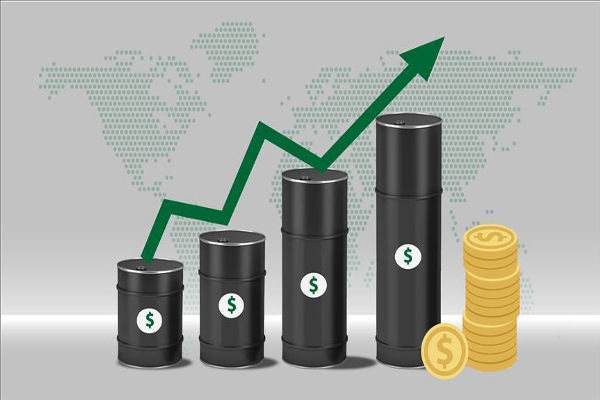
Oil and gas ETFs have become a popular way for traders to access the energy markets without the complexities of trading futures or picking individual stocks.
As global energy prices remain volatile and the sector evolves, understanding how these ETFs work and what risks and opportunities they present is crucial for any active trader. Here are seven essential things every trader should know about oil and gas ETFs in 2025.
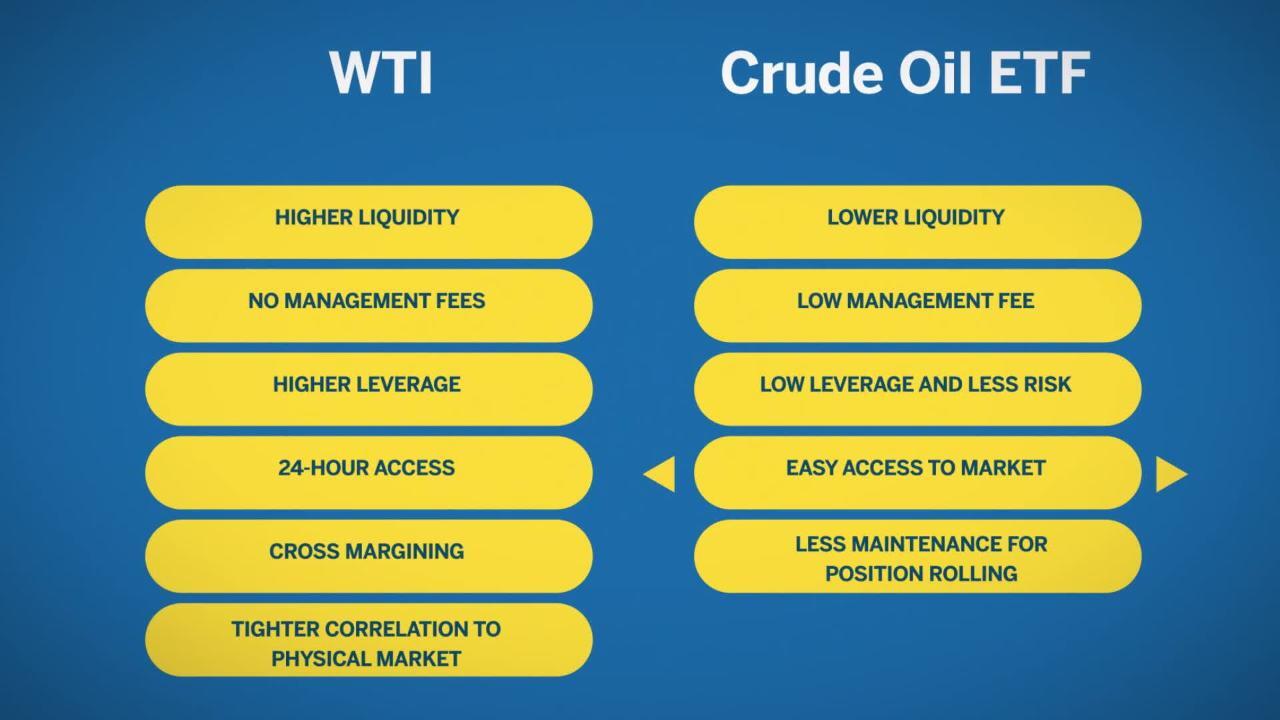
An oil and gas ETF (exchange-traded fund) is a fund that tracks the performance of oil, gas, or a basket of energy-related assets. These ETFs can invest directly in commodity futures, hold shares of companies involved in exploration and production, or use a mix of both approaches. They trade on major exchanges just like stocks, making them accessible and liquid for traders.
Oil and gas ETFs come in several forms, each with unique characteristics:
Futures-based ETFs: Track oil or gas prices by holding futures contracts (e.g., USO for oil). These are closely linked to spot prices but are subject to risks like contango and backwardation.
Equity-based ETFs: Invest in shares of oil and gas companies, such as producers, refiners, or service firms (e.g., XLE, VDE, XOP).
Leveraged and Inverse ETFs: Use derivatives to amplify gains or losses, or to profit from falling prices. These are riskier and designed for short-term trading.
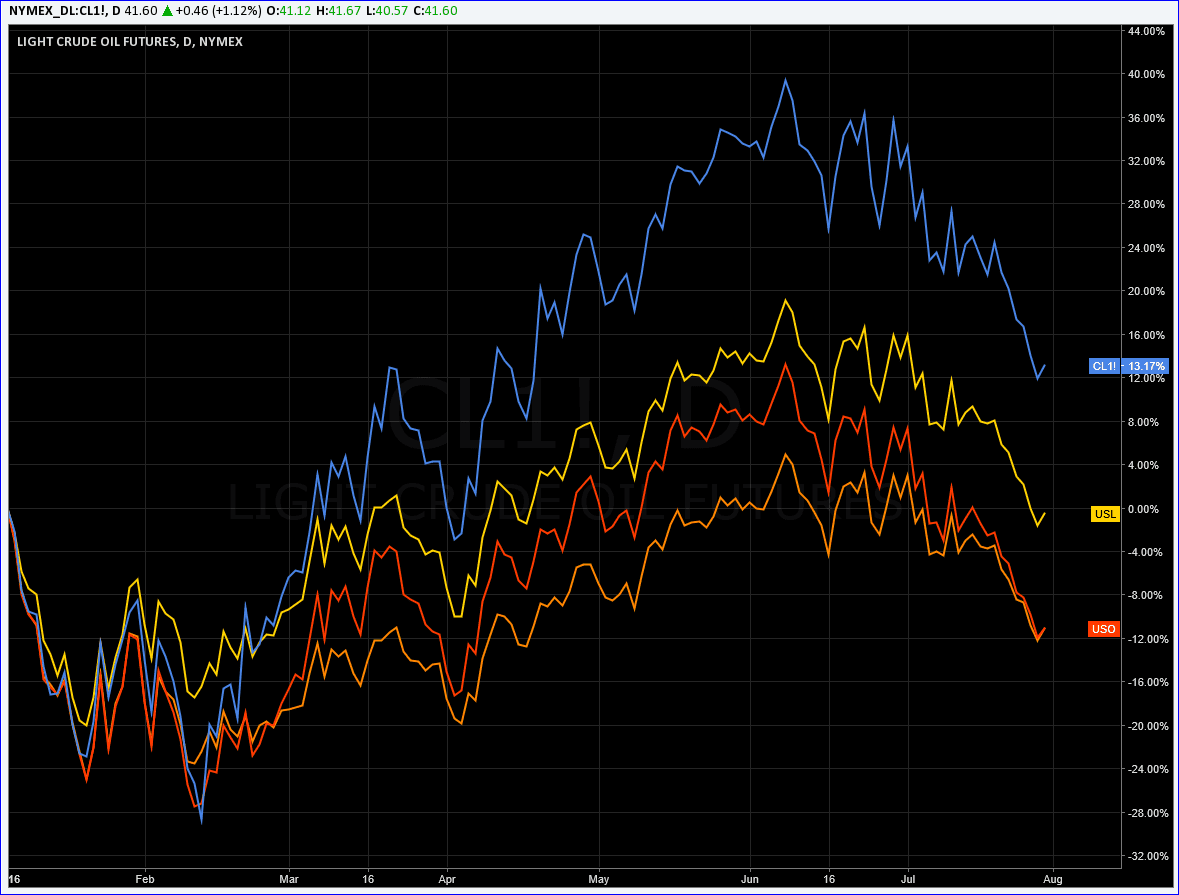
Oil and gas ETFs are known for their volatility. Prices can swing sharply due to:
Geopolitical events (e.g., conflicts in oil-producing regions)
OPEC+ production decisions
Economic data and global demand shifts
Weather disruptions and natural disasters
This volatility can create trading opportunities but also increases risk.
Contango and Roll Yield: Futures-based ETFs can suffer losses when future prices are higher than spot prices, as contracts are rolled forward at a premium.
Decay in Leveraged ETFs: Daily resets in leveraged and inverse ETFs can lead to value erosion over time, especially in volatile or sideways markets.
Sector Concentration: Oil and gas ETFs are heavily exposed to the energy sector, which can limit diversification and increase risk if energy prices fall.
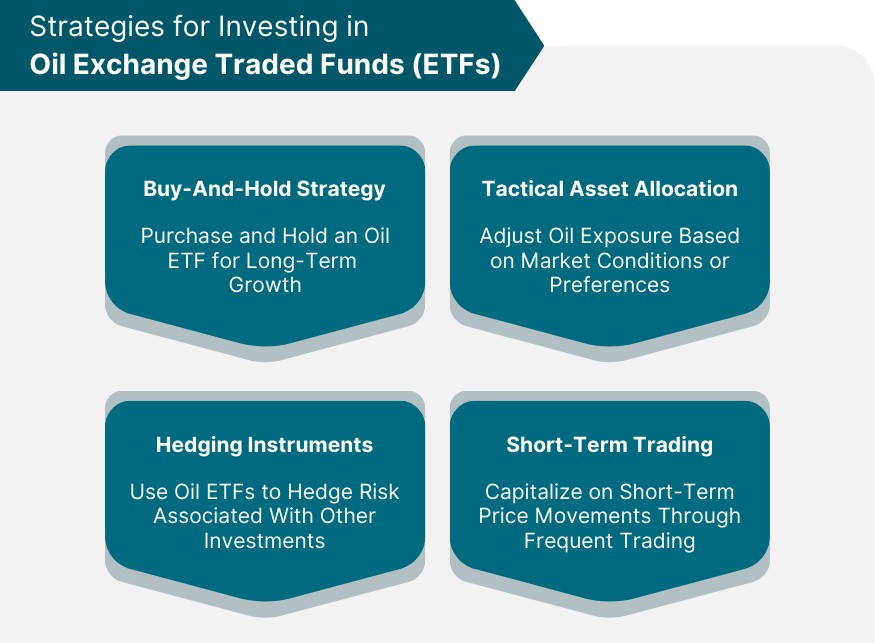
Short-term trading: Take advantage of volatility with futures-based or leveraged ETFs, but monitor positions closely.
Buy-and-hold: Consider equity-based ETFs for longer-term exposure to the energy sector, but be aware of sector cycles and regulatory changes.
Hedging: Use inverse ETFs or combine positions to hedge against price declines or portfolio risk.
Oil and gas ETFs generally offer lower management fees than actively managed funds and provide high liquidity, allowing traders to enter and exit positions efficiently. However, always review the ETF's expense ratio, trading volume, and bid-ask spread before trading.
The oil and gas sector is subject to significant regulatory oversight. Changes in government policy, environmental regulations, or shifts towards renewable energy can impact the profitability of oil and gas companies-and, by extension, the ETFs that hold them. Traders should stay informed about global energy trends and policy changes.
Oil and gas ETFs offer traders a flexible, accessible way to participate in the energy markets. By understanding the types of etfs available, the risks of volatility and contango, and the importance of strategy and sector trends, traders can make more informed decisions in this dynamic sector. Always conduct thorough research and consider your risk tolerance before trading oil and gas ETFs.
Disclaimer: This material is for general information purposes only and is not intended as (and should not be considered to be) financial, investment or other advice on which reliance should be placed. No opinion given in the material constitutes a recommendation by EBC or the author that any particular investment, security, transaction or investment strategy is suitable for any specific person.
EBC Financial Group is a co-brand shared by a group of entities
including:
EBC Financial Group (SVG) LLC is authorized by the St.Vincent and the
Grenadines Financial Services Authority(SVGFSA),and the company
registration number is 353 LLC 2020, with registered address at Euro
House, Richmond Hill Road, Kingstown, VC0100, St. Vincent and the
Grenadines.
Other Relevant Entities
EBC Financial Group (UK) Limited is authorised and regulated by the
Financial Conduct Authority. Reference Number: 927552. Website: www.ebcfin.co.uk
EBC Financial Group (Cayman) Limited is licensed and regulated by the
Cayman Islands Monetary Authority (Number: 2038223). Website:
www.ebcgroup.ky
EBC Financial (MU) Limited is licensed and regulated by the the
Financial Services Commission, Mauritius (License Number GB24203273)
with registrated address at 3rd Floor, Standard Chartered Tower,
Cybercity, Ebene, 72201, Republic of Mauritius. Website for this entity
is maintained separately.
EBC Financial Group (Comoros) Limited is authorised by The Autonomous
Island of Anjouan, Union of Comoros Offshore Finance Authority with
License number L 15637/EFGC, with registered office address at Hamchako,
Mutsamudu, Autonomous Island of Anjouan, Union of Comoros.
EBC Financial Group (Australia) Pty Ltd (ACN: 619 073 237) is authorised
and regulated by the Australian Securities and Investments Commission
(Number: 500991). EBC Financial Group (Australia) Pty Ltd is a related
entity of EBC Financial Group (SVG) LLC. The two entities are managed
separately. The financial products and services offered on this website
are NOT provided by the Australian entity and no recourse against the
Australian entity is available.
EBC Group (Cyprus) Ltd, faciliates payment services to the licensed and
regulated entities within the EBC Financial Group strucutre, registered
under the Companies Law of Republic of Cyprus with the number HE 449205,
registered office address at 101 Gladstonos, Agathangelou Business
Centre, 3032 Limassol, Cyprus.
Business Address: The Leadenhall Building, 122 Leadenhall Street, London, United Kingdom, EC3V 4AB. Email Address :cs@ebc.com . Telephone : +44 20 3376 9662
Regional Restrictions:
EBC does not offer any services to citizens and residents of certain
jurisdictions including: Afghanistan, Belarus, Burma (Myanmar), Canada,
Central African Republic, Congo, Cuba, Democratic Republic of the Congo,
Eritrea, Haiti, Iran, Iraq, Lebanon, Libya, Malaysia, Mali, North Korea
(Democratic People's Republic of Korea), Russia, Somalia, Sudan, South
Sudan, Syria, Ukraine (including Crimea, Donetsk, and Luhansk Regions),
the United States, Venezuela, and Yemen.
Any Spanish on this website is for LATAM only and is not designated for
anyone in European Union or Spain For more information, please check out
our FAQs.
Any Portuguese on this website is for Africa only, and is not designated
for anyone in European Union or Portugal or Brazil. For more
information, please check out our FAQs.
Compliance Disclosure:The website can be accessed globally and is not specific to any entity. Your actual rights and obligations will be determined based on the entity and jurisdiction that you choose to be regulated.There may be local laws and regulations which prohibit or limit your rights to access, download, distribute, disseminate, share or otherwise use any or all of the documents and information published on this website.
Risk Warning: Trading Contracts for Difference (CFDs) are complex financial instruments and come with a high risk of losing money rapidly due to leverage. Trade on margin carries a high level of risk and may not be suitable for all investors. Before deciding to trade Forex and CFDs, you should carefully consider your trading objectives, level of experience and risk appetite. The possibility exists that you could sustain a loss of some or all of your initial trading capital. We recommend that you seek independent advice and ensure you fully understand the risks involved before making any investment decision. Please read the relevant risk disclosure statements carefully before trading.