Published on: 2023-09-20
Understanding and applying technical indicators is a very important aspect of stock market investment. Among them, the bottom deviation of the RSI (relative strength index) is a common but easily misunderstood phenomenon. This article will explore in detail how to correctly understand the RSI bottom deviation and how to apply this knowledge to make wise investment decisions.
Understanding the RSI Bottom Deviation
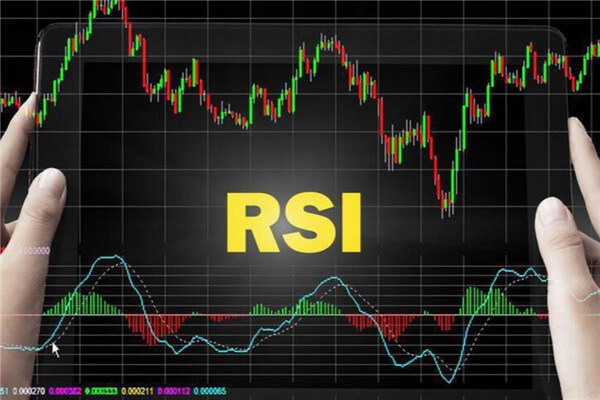
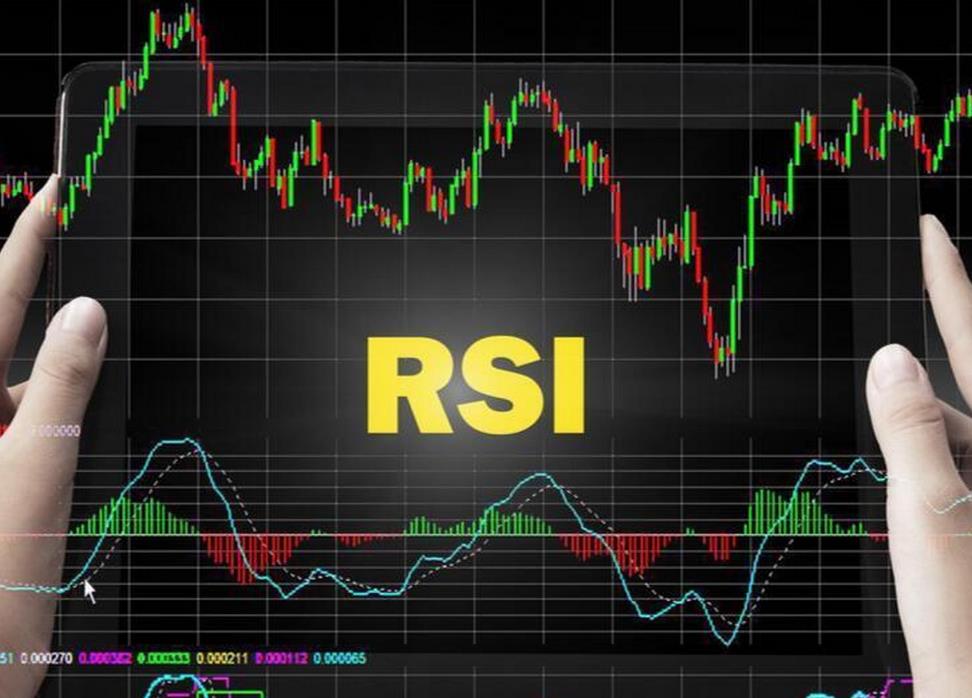
Firstly, clarify the basic concept of RSI. RSI is an indicator used to measure the strength of Stock Prices. The larger the value, the stronger the buyer's power, while the smaller the value, the stronger the seller's power. Usually, when the RSI value is below 40, if there is a bottom deviation between the RSI and the stock price, it is often a buying signal.
However, the question arises. When a stock is found to have a bottom deviation in RSI, should it be the starting point for the institution to raise the stock price, or is the institution ready to start shipping? This is a crucial issue.
Determine the nature of the RSI bottom deviation
To correctly determine the nature of the RSI bottom deviation, it is necessary to pay attention to two key factors: the high point of the bottom deviation and the intention of the institution.
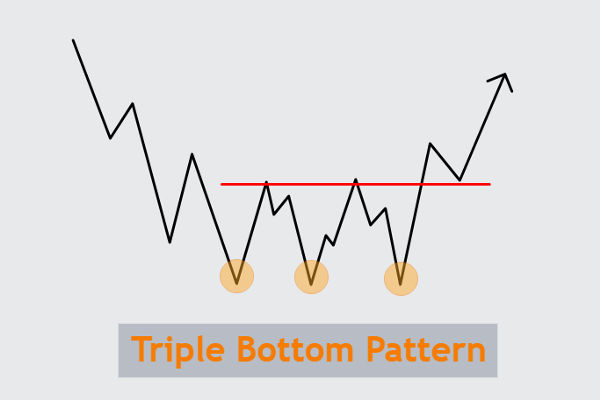
Bottom deviation usually manifests as a high point between two bottoms. This high point is an important pressure level for stock prices. If the stock price can break through this high point, then it may be a real increase. But if the high point is not breached, it is likely to be just a rebound, not a real rise.
The intention of the institution is also crucial. If institutions want to drive up stock prices, they may appear at a time of bottom divergence, which usually leads to subsequent increases. But once institutions want to ship, they may also choose to ship after the bottom deviation, which will lead to subsequent declines.
How to Use the RSI Bottom Deviation
Now, let's take a look at how to use the RSI bottom deviation to guide investment decisions.
Nature of judgment: Firstly, when the RSI bottom deviates, analyze whether the high point has been broken through. If the stock price can break through the high point, then you can consider buying. But if the high point is not breached, it is necessary to remain vigilant, as it may be a rebound rather than a real rise.
Chasing up: If it is confirmed that the deviation from the RSI bottom is a situation where the institution wants to drive up the stock price, it can consider chasing up. Waiting for the stock price to break through the bottom and deviate from the high point and adding positions at the appropriate time usually results in a significant increase.
Escape from the top: If it is confirmed that the deviation from the RSI bottom is a situation where the organization is preparing to ship, consideration should be given to escaping from the top. Once the stock price cannot break through the high point that deviates from the bottom, it is necessary to quickly clear the position to avoid losses caused by subsequent declines.
Example analysis
To better understand how to use the RSI bottom deviation, let's take a look at two examples.
Example 1: tesla rose after a divergence from the RSI bottom but did not break through the high point and subsequently fell. It was wise to escape the top.
Example 2: A stock rises after deviating from the RSI bottom and successfully breaks through the high point, making it suitable for upward tracking operations.
By correctly understanding and applying the RSI bottom deviation, one can better guide their stock market investment decisions. But please remember that any investment comes with risks, and no matter what indicators are used, always be cautious and manage risks well.
Disclaimer: This material is for general information purposes only and is not intended as (and should not be considered to be) financial, investment or other advice on which reliance should be placed. No opinion given in the material constitutes a recommendation by EBC or the author that any particular investment, security, transaction or investment strategy is suitable for any specific person.



World's Best Broker