Published on: 2025-11-21
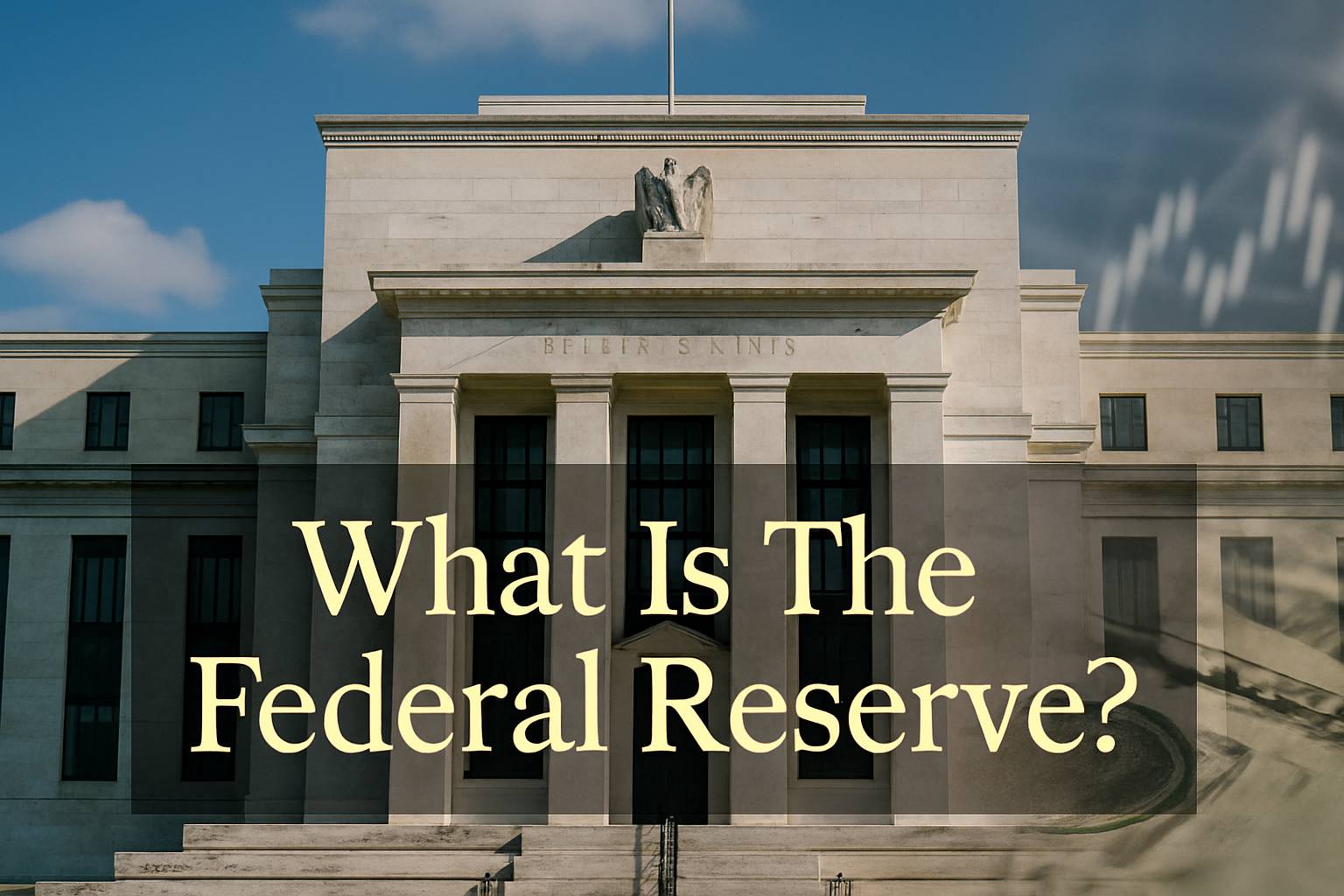
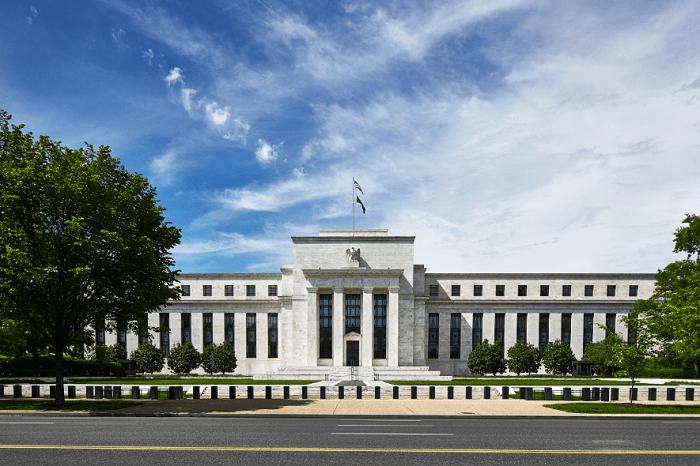
The Federal Reserve, often simply called “the Fed,” is the central bank of the United States and one of the most influential financial institutions in the world.
Unlike a commercial bank or a government department, the Fed operates as an independent public institution with a mission to maintain a stable economy, ensure the smooth functioning of the financial system, and protect the public from severe economic disruptions.
At its core, the Fed sits at the intersection of three critical forces: money, credit, and confidence.
Money represents the currency that flows through the economy, credit reflects the ability of individuals, businesses, and governments to borrow and invest, and confidence is the public’s trust that the financial system will remain secure.
By managing these elements, the Fed helps keep the economy alive and functioning.
The Federal Reserve System is composed of three main components:
1. The Board of Governors: Based in Washington, D.C., this body consists of seven members appointed by the President and confirmed by the Senate. The Board sets monetary policy and oversees the operations of the entire system.
2. 12 Regional Federal Reserve Banks: Located in major cities across the U.S., these banks implement policy at the regional level, supervise local financial institutions, and serve as a bridge between the national policy and local economic realities.
3. The Federal Open Market Committee (FOMC): This committee directs open market operations, which are the primary tool used to influence interest rates and the money supply. It includes the Board of Governors and five rotating presidents of regional Fed banks.
The Fed can make borrowing money easier or more expensive by adjusting short-term interest rates. When the economy slows, the Fed may lower rates to encourage spending and investment. Conversely, it may raise rates to curb inflation when the economy overheats.
The Fed monitors banks and other financial institutions to reduce the risk of collapse. During periods of financial stress, for example, in the year of 2008 and another one in 2020, Fed can provide emergency lending to keep banks afloat and prevent panic from spreading throughout the economy.
The Fed issues Federal Reserve Notes, the U.S. dollar, which serves as legal tender. This ensures a stable supply of money that supports everyday transactions and commerce.
It supervises commercial banks and other financial institutions to ensure they operate safely and comply with laws. This oversight helps maintain confidence in the banking system.
During economic crises, the Fed can inject liquidity into the financial system. This role was particularly visible during the 2008 financial crisis and the COVID-19 pandemic, where rapid intervention helped prevent systemic collapse.
The Fed’s actions influence almost every aspect of the U.S. economy. Interest rates, mortgage payments, business loans, inflation, employment levels, and even stock and bond markets are all affected by Fed policy.
When prices rise too quickly the Fed raises interest rates to slow borrowing and spending. That action helps bring inflation down and protects the purchasing power of money. When inflation cools, the Fed can ease policy to support growth and help prevent a prolonged slowdown.
Higher rates make borrowing more expensive for companies, which can slow hiring and expansion. Lower rates make credit cheaper, encouraging businesses to invest and hire. The Fed’s choices therefore affect employment and the pace of economic growth.
Even if you don’t watch the Fed closely, its decisions affect your daily finances. Mortgage rates, credit cards, car loans, savings, and investments all respond to Fed policy, shaping what you pay, what you earn, and how your money grows.
While it does not directly control fiscal policy (taxes and government spending, handled by Congress and the Treasury), the Fed’s management of credit and liquidity shapes the broader economic landscape.
No. The Fed is an independent public institution. It operates separately from the Treasury but works alongside the government to support economic stability.
Through monetary policy, the Fed adjusts short-term rates and conducts open market operations, making borrowing cheaper or more expensive to guide economic growth and control inflation.
The Fed supervises banks and provides emergency lending during crises, helping prevent systemic collapses, but it cannot eliminate all risks in the financial system.
In simple terms, the Federal Reserve (FED) is the institution that helps keep the U.S. economy balanced, ensuring that credit flows, banks remain solvent, and confidence in the financial system is maintained.
By studying the Fed, individuals and businesses gain insight into the mechanisms that govern growth, inflation, and stability in one of the world’s largest economies.
Disclaimer: This material is for general information purposes only and is not intended as (and should not be considered to be) financial, investment or other advice on which reliance should be placed. No opinion given in the material constitutes a recommendation by EBC or the author that any particular investment, security, transaction or investment strategy is suitable for any specific person.