Published on: 2025-10-22
If you have ever travelled abroad, you have already experienced the power of exchange rates. Picture yourself at an airport counter holding £100, watching the clerk convert it into euros. The rate she quotes decides how much your money is worth in another country. That figure is not fixed. It moves constantly, second by second, as traders around the world buy and sell currencies worth trillions of dollars each day.
Exchange rates are the heartbeat of the global economy. They determine the price of imported goods, influence inflation, and affect the return on overseas investments. Whether you are a tourist buying yen in Tokyo or a business importing from Europe, you are dealing with exchange rates every day.
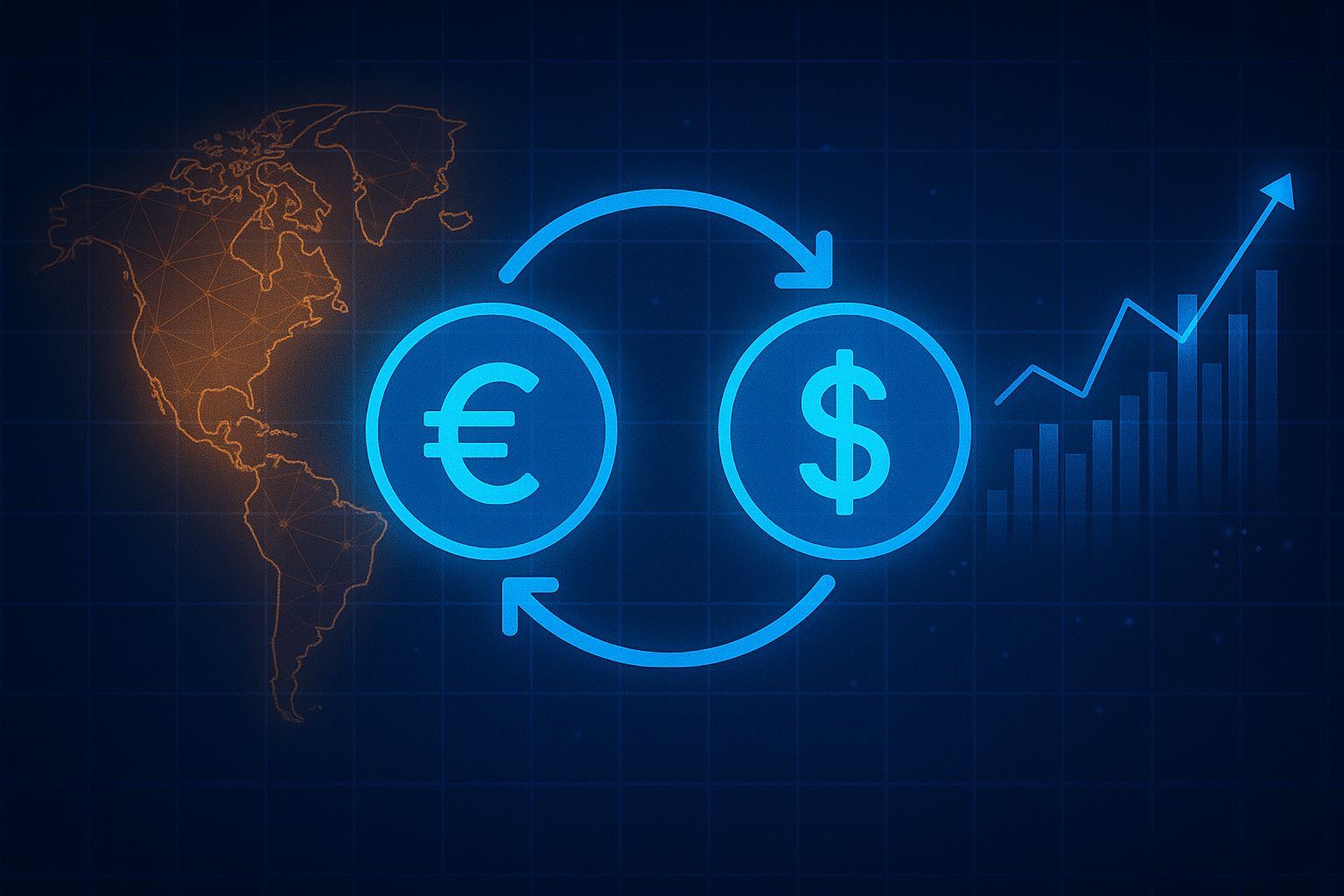
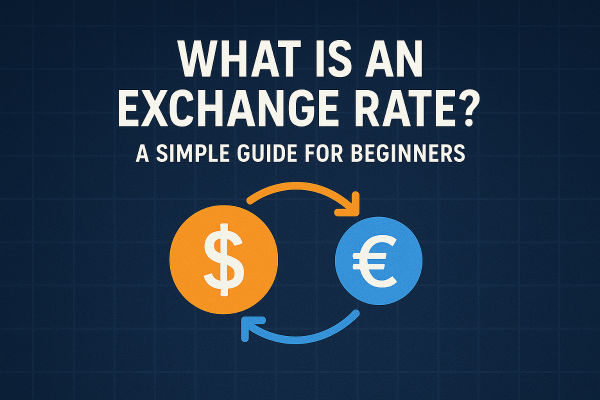
An exchange rate is the price of one currency expressed in terms of another. If the GBP/USD rate is 1.25, it means one British pound can buy 1.25 US dollars. Every rate quote involves two currencies: the base (the first one) and the quote (the second one). When the rate rises, the base currency strengthens. When it falls, the base weakens. For example, if GBP/USD climbs from 1.25 to 1.30, the pound has gained value against the dollar.
Exchange rates can be nominal, reflecting market prices, or real, which adjust for inflation differences between countries. The real rate shows how much goods and services in one country cost compared to another after inflation is taken into account.
In this system, a government or central bank sets and maintains a specific rate. The Hong Kong dollar, for example, is pegged at around 7.80 to the US dollar. Fixed systems provide stability for trade but limit monetary flexibility.
Here, the rate is determined by supply and demand in the open market. Currencies such as the pound, euro, and US dollar float freely. Their values shift based on investor confidence, interest rates, and economic performance.
This hybrid system allows a currency to move within a range, with the central bank stepping in when movements become too extreme. China’s renminbi works under such a structure.
Exchange rates move constantly because investors, businesses, and governments are always adjusting how they hold and trade money. The main factors include interest rates, inflation, economic growth, trade balances, and political stability. Higher interest rates attract investors seeking better returns, increasing demand for that currency. Lower inflation usually supports a stronger currency as it preserves purchasing power. Strong GDP growth and a positive trade balance can lift a currency’s value, while uncertainty from elections or global conflict often weakens it.
In 2024 and 2025, these forces were especially visible. When the Federal Reserve hinted at rate cuts, the dollar softened, while the euro gained ground. Meanwhile, Japan’s yen continued to weaken due to ultra-loose monetary policy, reaching around 155 per US dollar at mid-2025, its lowest in more than three decades.
Exchange rates are the backbone of the foreign exchange (forex) market, where currencies are traded in pairs. Traders speculate on whether one currency will rise or fall relative to another. If a trader believes the euro will strengthen against the dollar, they buy EUR/USD. If they expect it to weaken, they sell. The smallest measurable move is called a pip, short for “percentage in point”.
The forex market is the largest in the world. According to the Bank for International Settlements, daily trading volume reached about 7.5 trillion US dollars in 2025, reflecting its immense global scale and liquidity.
Imagine a UK-based car importer buying vehicles from Japan. If one car costs 3 million yen and the GBP/JPY exchange rate is 180, the importer pays £16,667 per car. If the pound weakens to 175, the same car now costs £17,143. That small change in the exchange rate adds nearly £500 to the importer’s cost per vehicle.
Now imagine a trader watching the same movement. By correctly predicting the pound’s decline, they could profit by selling GBP/JPY ahead of time and closing the position once the rate fell.
Exchange rates influence much more than international trade. A weaker domestic currency can make imported goods more expensive, pushing up inflation. Conversely, it helps exporters because their goods become cheaper abroad. Travellers feel the difference directly. A stronger pound means cheaper holidays overseas, while a weaker pound makes everything from coffee in Paris to hotels in New York more costly. Even long-term investments such as pensions and funds with global exposure depend on exchange rates. When sterling rises, overseas earnings translate into fewer pounds, and vice versa.

It is the price of one currency in relation to another, showing how much foreign money you can buy with your local currency.
They move because of interest-rate changes, inflation, trade imbalances, and shifts in investor confidence. News about central bank policy or economic data can move currencies within minutes.
In floating systems, it is determined by supply and demand in the global market. In fixed systems, central banks maintain the rate through intervention, buying or selling currency to keep it stable.
Understanding exchange rates gives you a clearer view of how the world economy functions. In 2025, as inflation eases and major central banks adopt more cautious monetary policy, currency volatility has settled from pandemic-era extremes. Yet differences in economic growth, trade dynamics, and investor sentiment continue to drive subtle shifts that traders and consumers can benefit from. Recognising these movements helps you interpret economic headlines and make more informed financial decisions, from travel budgeting to portfolio diversification.
Exchange Rate: The value of one currency compared to another. It tells you how much foreign money you can get for your local currency, and it constantly changes based on economic conditions and market activity.
Disclaimer: This material is for general information purposes only and is not intended as (and should not be considered to be) financial, investment or other advice on which reliance should be placed. No opinion given in the material constitutes a recommendation by EBC or the author that any particular investment, security, transaction or investment strategy is suitable for any specific person.