Published on: 2025-08-29
Updated on: 2025-09-02

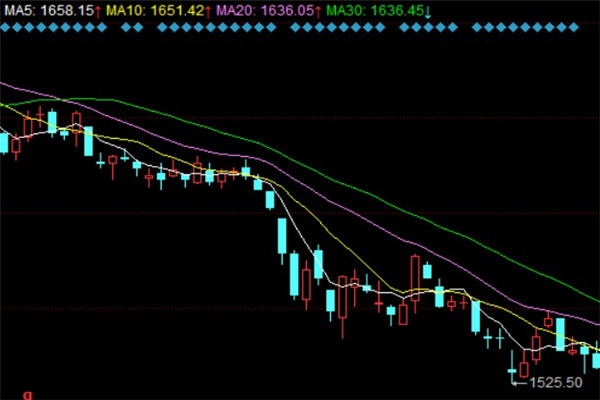
A bear market is a prolonged decline where a broad index or asset falls by about 20% or more from a recent peak and remains weak for weeks or months. It reflects lower prices, reduced risk appetite, and often softer economic conditions. Bear markets can be market-wide, sector-specific, or confined to a single asset.
Bear markets change how prices move and how strategies perform. Rallies fail more often, volatility rises, and losses can build quickly without clear exit rules. This shifts how to enter, how much risk to take, and how long to hold.
They also affect emotions. Fear and uncertainty can lead to panic selling or chasing short bounces. A plan based on objective signals and risk limits helps avoid costly mistakes.
Duration varies with the economy and credit conditions. Some are sharp and brief; others grind on for many months. A practical baseline: expect elevated volatility, failed rallies, and uneven progress until breadth and leadership improve. Bulls typically last longer than bears over history, which is why time in the market often beats perfect timing for diversified investors.
| Metric | Typical Range/Value | What It Means |
|---|---|---|
| Average Bear Length | Roughly 9 to 15 months | Plan for months, not weeks |
| Average Bear Decline | Around one-third peak to trough | Position size for deeper swings |
| Bear Frequency | Every few years, on long-run averages | Downturns are normal, not rare |
| Average Bull Length | Multiple years on average | Staying power matters |
Economic slowdown that pressures revenue, margins, and earnings.
Policy tightening, where higher interest rates lift borrowing costs.
Shocks and crises that dent confidence and reduce liquidity.
Valuation resets after long bull runs with stretched expectations.
Sentiment and positioning shifts that accelerate selling.
Bear-market rallies are common and can be sharp, but many fade if underlying conditions have not improved. Treat early strength as a test, not a verdict. Confirmation becomes more convincing when several elements align.
Helpful cues:
Breadth broadens, with advances outpacing declines across sectors.
Indices make higher lows and reclaim key moving averages on strong closes.
Leadership rotates from defensives to cyclicals or quality growth as credit conditions ease.
Buying in a bear market is best done gradually and with defined risk. Consider an investor with a $30,000 account who wants to balance caution and opportunity.
Keep $10,000 in cash to stay flexible.
Allocate $20,000 in thirds over time and price.
First buy near a higher low; add only if breadth and leadership improve.
Size each position by dollar risk. If risking $2 per share and the per-trade risk budget is $300 (1% of equity), buy 150 shares.
Place stops under recent swing lows so invalidation is clear.
Trim into strength to rebuild cash if momentum extends.
Breadth stabilises and expands across sectors.
Higher lows on major indices and fewer failed rallies.
Strong closes on up days with improving volume.
Credit spreads narrow, and liquidity conditions improve.
Earnings guidance and revisions stabilise rather than fall.
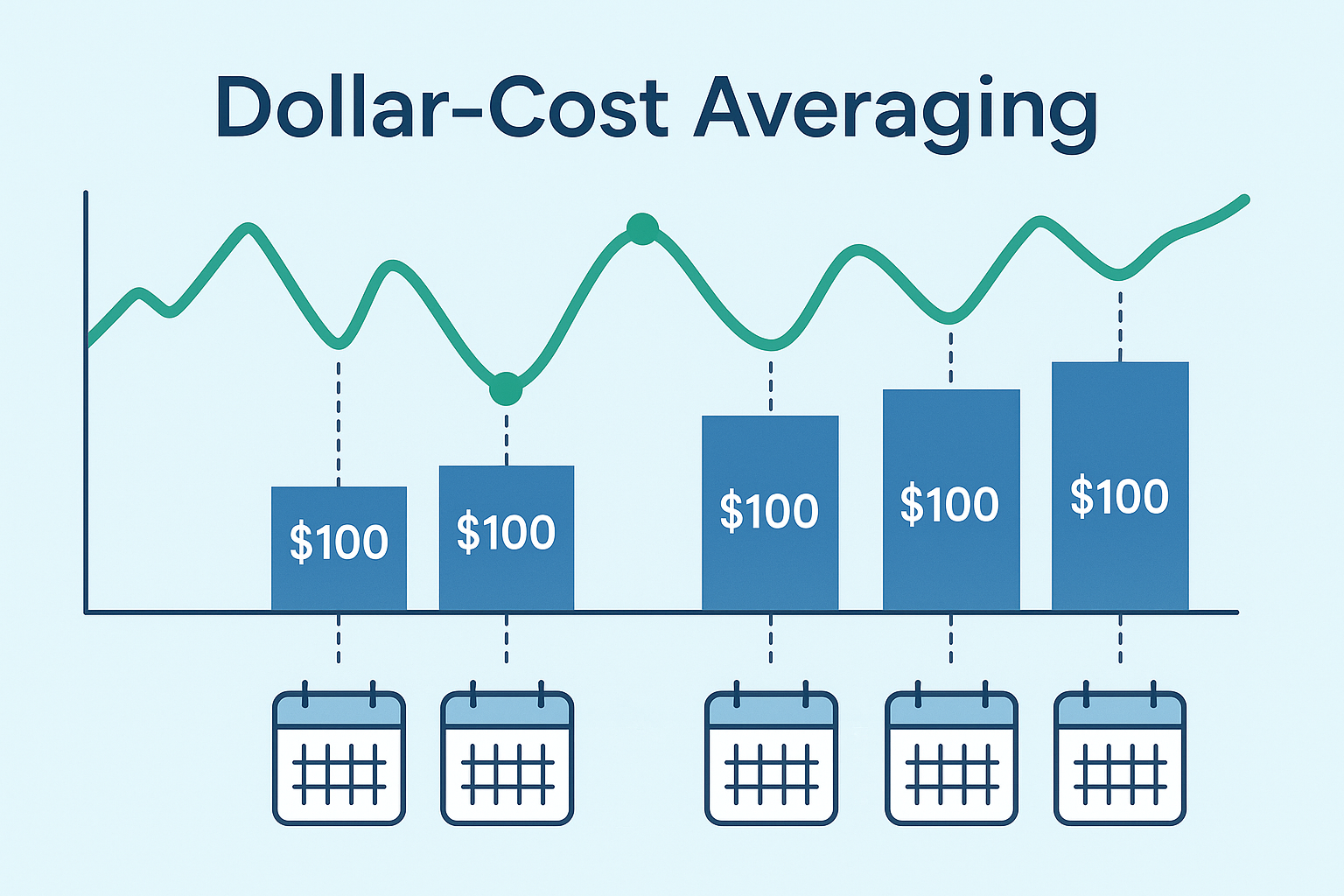
Staged buying to avoid all-in bets at uncertain levels.
Dollar-cost averaging to smooth entry prices.
Quality tilts toward strong balance sheets, free cash flow, and pricing power.
Hedging with put options or defined-risk structures for downside protection.
Rebalancing that naturally buys weakness and trims strength.
Relative strength focuses on names that fall less and recover first.
Treating the 20% rule as a law rather than a guideline.
Correct approach: treat 20% as a rough threshold, then confirm the regime with breadth, duration, trend structure, and closing-price metrics appropriate to the asset.
Buying every dip without confirmation or clear stops.
Correct approach: wait for confirmation, such as a higher low, a strong close back above resistance, or a key moving average on firm volume, and set a predefined stop and position size before entering.
Oversizing positions and ignoring correlation across holdings.
Correct approach: cap per‑trade risk at about 0.5% –1.0% of equity, monitor sector and theme overlap, and limit total exposure to highly correlated positions.
Selling everything in panic, locking in losses near lows.
Correct approach: de‑risk in stages based on signals, not emotion; rebalance to targets, keep a cash buffer for flexibility, and use plan‑based exits instead of wholesale liquidation.
Confusing quick crashes with longer bear regimes and using the wrong playbook.
Correct approach: distinguish by time and participation; assume bounces are bear‑market rallies until breadth, leadership, and credit conditions improve, and align tactics to the prevailing regime.
Set a maximum portfolio drawdown level that triggers a review, for example, 10% to 15%.
Cap per-trade risk at about 0.5% to 1% of equity.
Place stops based on market structure rather than round numbers alone.
Limit aggregate exposure to one theme or sector to avoid clustering.
Maintain a cash buffer for patience and flexibility.
| Term | Typical Scale and Timing | What It Implies |
|---|---|---|
| Correction | About a 10% drop, weeks to months | Short setback inside a larger uptrend |
| Bear Market | About 20% or more, months or longer | Prolonged downtrend and weak sentiment |
| Crash | Very steep, sudden falls over days or weeks | Shock event and acute volatility |
Bull Market: A prolonged uptrend with rising prices and positive sentiment.
Correction: A shorter decline within an uptrend, often around 10%.
Capitulation: Intense selling where fear peaks and weak holders exit.
Defensive Sector: Areas like utilities and consumer staples that often hold up better.
Professionals rely on process over prediction. They ask the market to prove improvement with better breadth, cleaner, higher lows, and fresh leadership. Position sizes reflect volatility and liquidity. Hedges are sized to reduce drawdowns without capping all upside. Playbooks define how to add on confirmation and how to cut risk quickly if a rally fails.
Bear markets are challenging but navigable. Blend staged entries with objective signals, right-size risk, and keep cash for flexibility. Let the market confirm improvement, and let discipline, not headlines, lead the way.



World's Best Broker