Published on: 2025-07-22
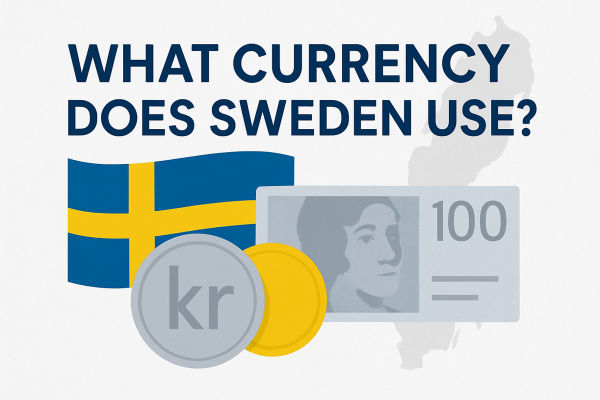
If you're planning a trip to Scandinavia or trading in Nordic markets, you might wonder what currency does Sweden use today. Despite being a member of the European Union, Sweden has not adopted the euro. Instead, it continues to use its own currency — the Swedish krona.
The Swedish krona, abbreviated as SEK, remains the official currency of Sweden. In Swedish, “krona” means “crown,” and the plural form is “kronor.” It has been in use since 1873 and is issued and regulated by Sveriges Riksbank, the central bank of Sweden.
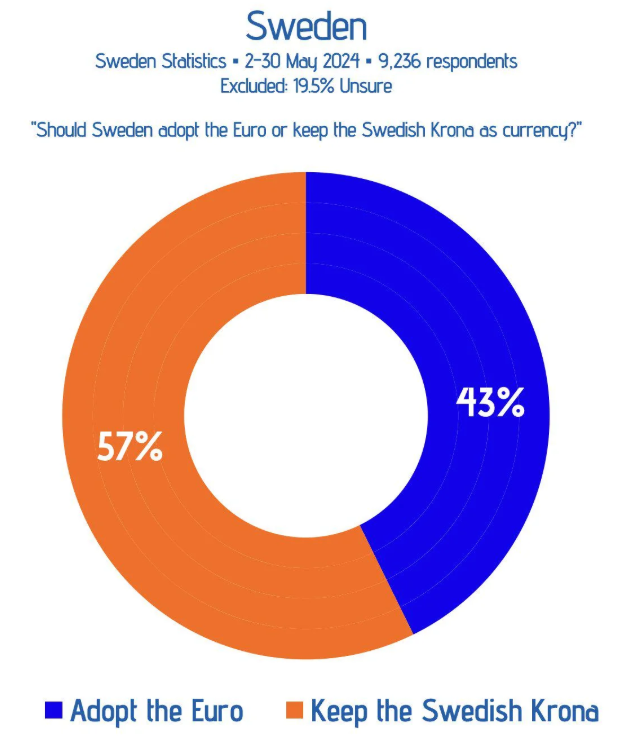
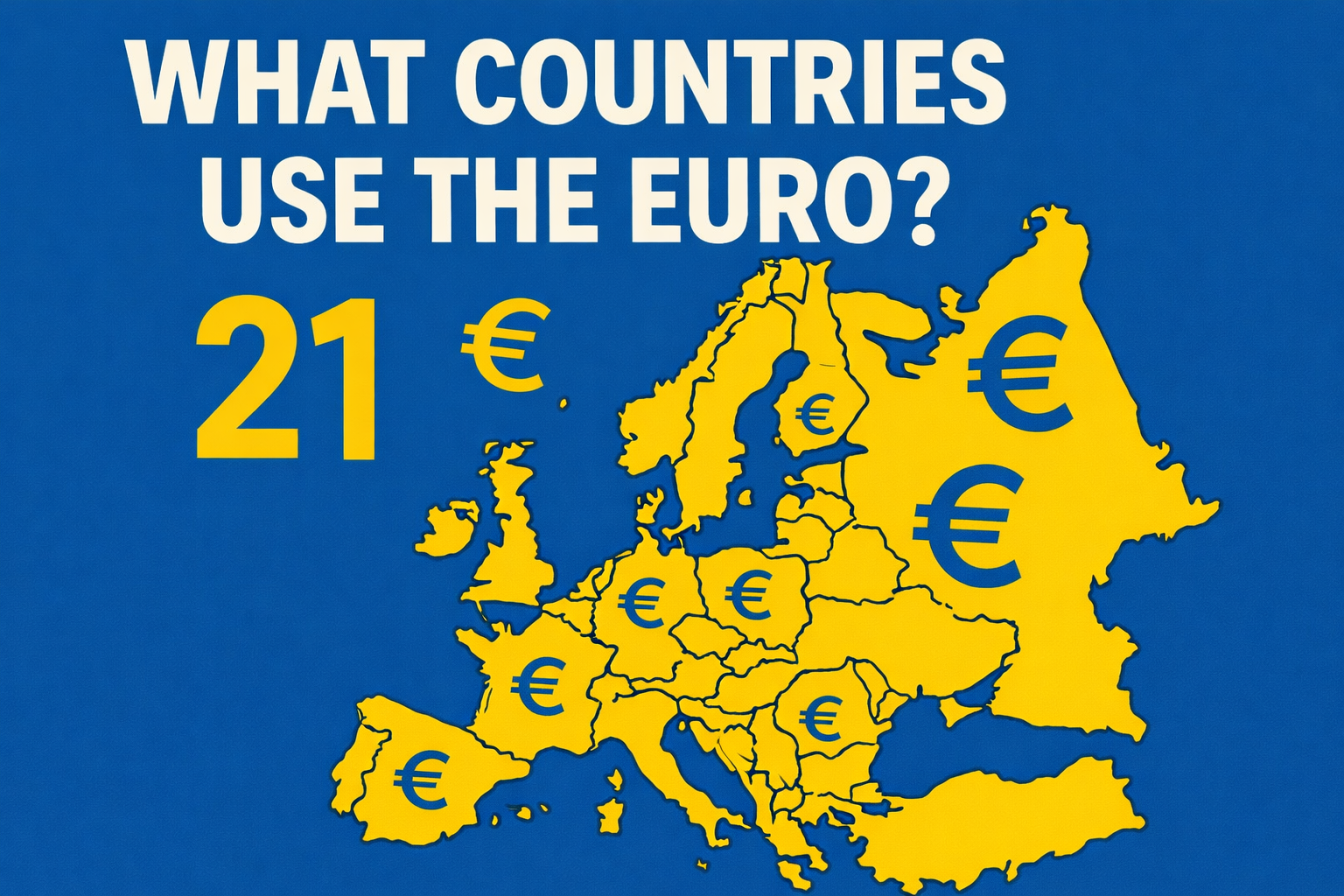
The question of what currency does Sweden use often leads to a bigger one — why hasn't Sweden switched to the euro? While Sweden joined the EU in 1995, it opted not to adopt the euro after a national referendum in 2003. The result showed that a majority of Swedes preferred to keep the krona.
Although EU member states are generally expected to adopt the euro once they meet certain economic criteria, Sweden has taken a deliberate path. It has chosen not to join the Exchange Rate Mechanism II (ERM II), which is a required step before euro adoption. As a result, Sweden is not legally obligated to switch currencies.
This decision reflects both economic and political factors. Many Swedes value the monetary independence that comes with controlling their own currency. Maintaining the krona allows the central bank to set interest rates and respond to domestic economic conditions without being tied to the eurozone's policies.
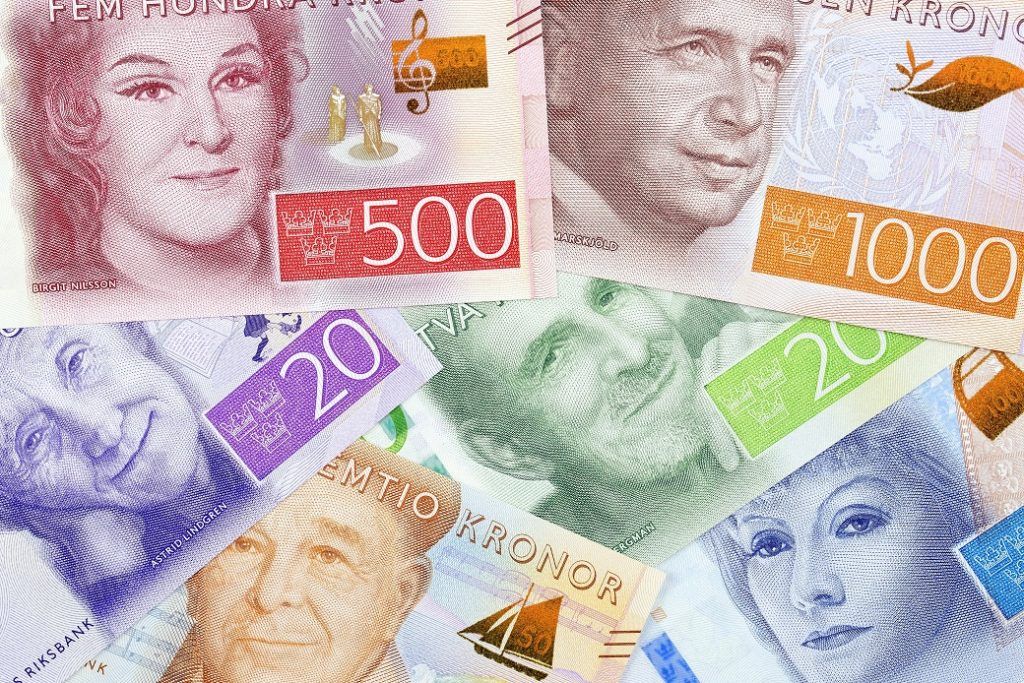
To understand what currency does Sweden use in everyday life, it's helpful to look at how the krona functions domestically. The Swedish krona is used for all forms of transactions, from shopping and dining to salaries and public services. Banknotes are available in denominations of 20, 50, 100, 200, 500, and 1,000 kronor, while coins range from 1 to 10 kronor.
Digital payments are also widespread in Sweden. In fact, the country is one of the most cashless societies in the world. Mobile payment platforms, contactless cards, and online banking are the norm. While the physical currency still circulates, many Swedes go through their daily routines without handling cash at all.
For travellers and businesses, the dominance of digital transactions makes it easy to adapt. However, it's still useful to be aware of the currency and carry a small amount of cash, especially in more rural areas or when visiting local markets.
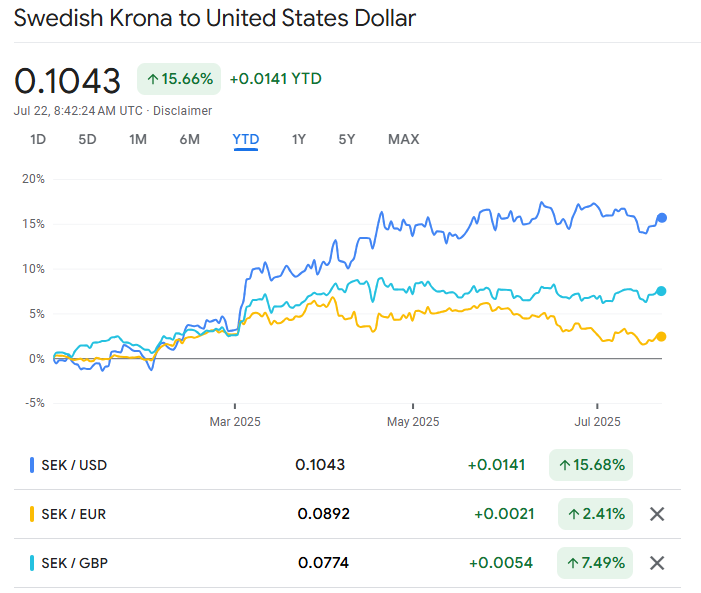
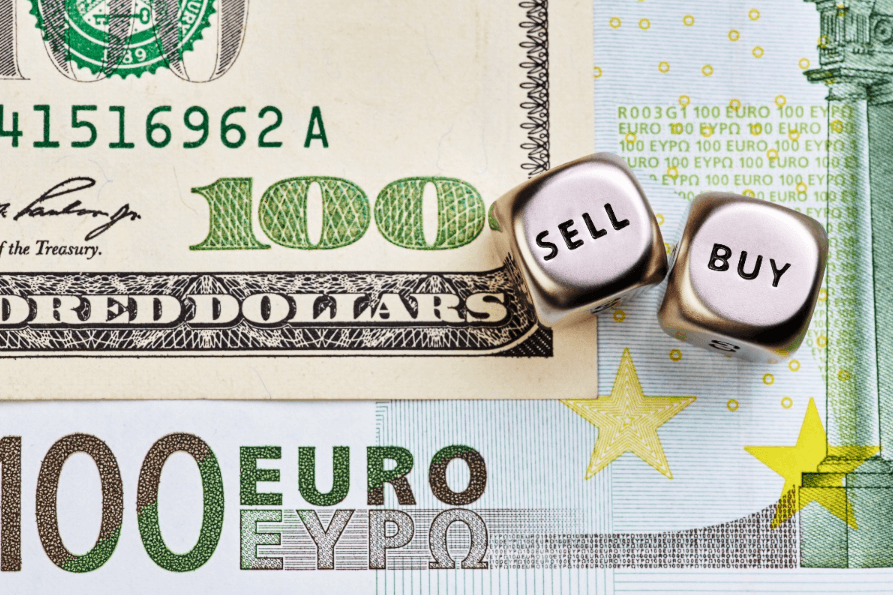
The value of the Swedish krona fluctuates against other major currencies such as the euro, US dollar, and pound sterling. These fluctuations can influence travel budgets, import and export costs, and investment returns. For example, when the krona weakens, Swedish goods become cheaper for foreign buyers, which can boost exports.
The Swedish central bank monitors inflation and economic growth closely, using interest rates and monetary tools to stabilise the economy. These actions, along with global economic trends, contribute to the value of the krona. While it is not as globally dominant as the euro or the dollar, the krona remains a respected and stable currency in international markets.
Understanding what currency does Sweden use is crucial for anyone engaging with its economy. Currency movements affect not just financial institutions but also consumers, travellers, and multinational companies.
For investors, the use of the krona introduces currency risk. Holding Swedish assets means your returns could be affected by changes in the SEK exchange rate. However, it also provides a degree of diversification, especially for those looking to invest in Northern Europe or in markets less correlated with the eurozone.
The answer to the question "what currency does Sweden use today" is clear — Sweden continues to use the Swedish krona, not the euro. This decision reflects a mix of economic caution, public preference, and a desire to maintain control over monetary policy.
Whether you are travelling to Stockholm, trading Swedish equities, or simply curious about European currencies, understanding the role of the krona offers useful insight. It is a stable, widely accepted, and efficiently managed currency that continues to define Sweden's financial identity in the 21st century.
Disclaimer: This material is for general information purposes only and is not intended as (and should not be considered to be) financial, investment or other advice on which reliance should be placed. No opinion given in the material constitutes a recommendation by EBC or the author that any particular investment, security, transaction or investment strategy is suitable for any specific person.