Published on: 2023-07-11
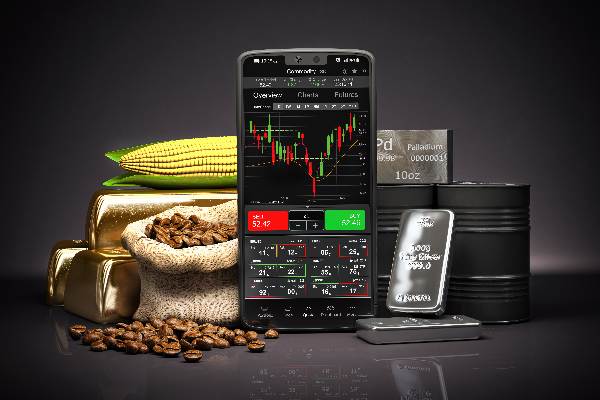
Corn futures, soybean futures, and cotton futures are the three major agricultural product futures. As an important food crop, corn's futures trading helps to avoid price risks for farmers and traders, ensuring market stability. Soybean futures, as agricultural products rich in plant protein and oil, can help farmers lock in future prices and promote the development of derivative markets. The trading of cotton futures can help cotton farmers lock in prices and promote the stable development of the textile industry. The existence of the three major agricultural product futures provides risk management tools for the agricultural supply chain and promotes the stable development of the agricultural product market.
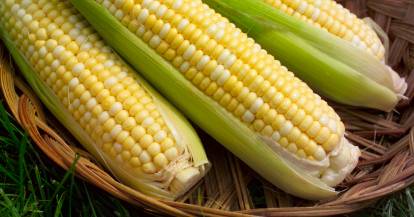
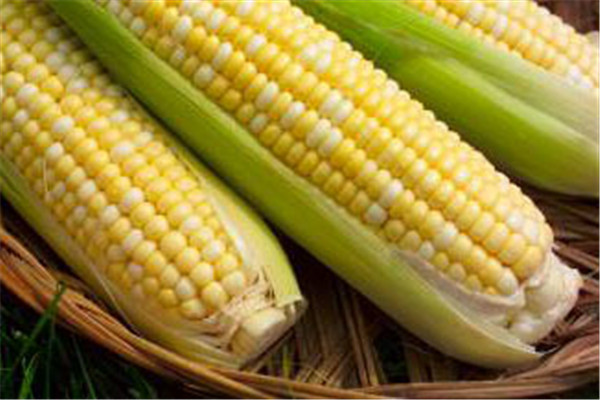
Corn futures refer to futures contracts that trade corn as the underlying substance. Corn is one of the most important food crops in the world and is widely used in fields such as food, feed, and industrial raw materials. The trading of corn futures can help farmers, traders, and investors avoid price risks, ensuring the stability and effectiveness of the market.
Soybean futures refer to futures contracts that trade soybeans as the subject matter. Soybean is an agricultural product rich in plant protein and oil that is widely cultivated and consumed worldwide. The trading of soybean futures can help farmers and traders lock in future prices, safeguard farmers' profits, and promote the development of derivative markets such as soybean meal and soybean oil.
Cotton futures refer to futures contracts that trade cotton as the subject matter. Cotton is an important textile raw material widely used in industries such as textile manufacturing, clothing, and home furnishings. The trading of cotton futures can help cotton farmers lock in prices, avoid market risks, and promote the stable development of the cotton textile industry.
The three major agricultural product futures play an important role in the agricultural product market. They not only provide farmers with a tool to avoid price risks but also provide opportunities for traders and investors to invest and hedge. Through futures trading, market participants can better predict and manage the supply and demand relationship and price fluctuations of agricultural products, promoting the stability and development of the agricultural product market.
In addition to these three types of agricultural product futures, there are many other agricultural products that are also traded in the futures market but are not listed as the "three major agricultural product futures". Common ones include:
1 Wheat futures
Wheat is one of the most important food crops in the world and also a major flour raw material. Wheat futures are futures contracts that trade wheat as the subject matter. The trading of wheat futures can help farmers, traders, and investors manage price risks, ensuring market stability and effectiveness.
2. Rice futures
Rice is one of the most important food crops in the world, mainly used for food consumption. Rice futures are futures contracts that trade rice as the subject matter. The trading of rice futures can help farmers and traders avoid risks, ensuring the stability and supply-demand balance of the rice market.
3. Barley futures
Barley is an important food crop widely used in fields such as brewing beer and feed. Barley futures are futures contracts that trade barley as the subject matter. Barley futures trading can help farmers and wheat farmers avoid price fluctuations and promote the stable development of the barley market.
4. Napa cabbage futures
Napa cabbage is a common vegetable that is widely planted and consumed. Napa cabbage futures are futures contracts that trade Napa cabbage as the subject matter. The trading of Napa cabbage futures will help farmers and traders lock in prices, avoid risks, and promote the development of the Napa cabbage market.
In addition to the agricultural products futures mentioned above, there are also agricultural products such as garlic, tomatoes, apples, pork, and other agricultural products traded in the futures market. The existence of these agricultural product futures enriches the diversity of the agricultural product market and provides more investment and risk management opportunities for farmers, traders, and investors.



World's Best Broker