Published on: 2025-03-20
Before diving into day trading, it helps to know what exactly you're trading. stock market indices are essentially groups of selected shares bundled together to represent a particular part of the market. Think of them as a snapshot of how a segment of the market is performing. For example, the FTSE 100 tracks the 100 largest companies listed on the London Stock Exchange, while the S&P 500 reflects the performance of 500 major companies in the United States. Other well-known indices include the dow jones industrial average and the Nasdaq Composite.
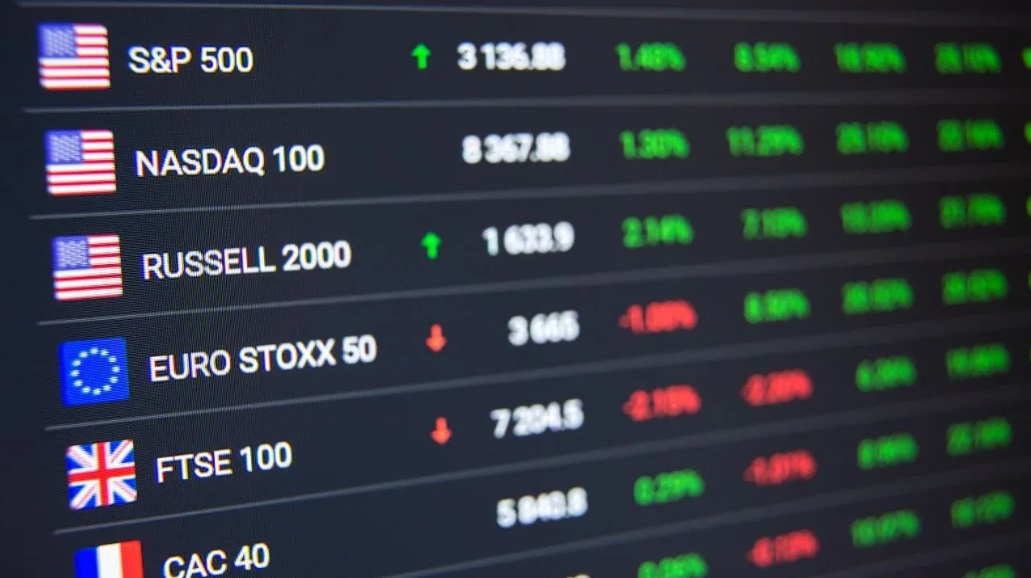
Rather than buying individual shares, many traders choose to trade these indices because they offer broad exposure to the market in a single move. This means you're not pinning all your hopes on one company's performance but instead riding the overall movements of a larger group of companies. That's one of the reasons why index trading is popular—especially among day traders looking for opportunities in short-term price movements.
Day trading is all about quick decision-making and short-term strategy. In simple terms, it means opening and closing trades within the same trading day. You're not holding onto positions overnight, and you're not looking for long-term growth. The goal is to profit from small price changes that happen throughout the day.
When you apply this to indices, you're watching how something like the S&P 500 or FTSE 100 moves during the day, and looking for opportunities to jump in and out of the market based on those movements. It's a fast-paced style of trading that demands focus and attention—but for many traders, that's part of the excitement.
One reason indices appeal to day traders is diversification. Since an index represents a group of stocks, it's not as vulnerable to the ups and downs of any single company. If one stock in the FTSE 100 stumbles, the rest of the index might balance it out.
Indices also tend to have high liquidity, meaning there's usually plenty of buying and selling happening. This makes it easier to get in and out of trades quickly, which is crucial when every minute—or even second—counts.
On top of that, indices are often more stable and predictable in their movements compared to individual stocks, but they still have enough volatility—the daily ups and downs in price—that traders can find chances to make small profits throughout the day. It's this combination of steady movement and short-term opportunities that makes index day trading so appealing.
Of course, volatility can work both ways. While price swings create opportunities, they also create risks. Market-moving events like economic data releases, political developments, or unexpected news can cause sudden, sharp price movements that can catch traders off guard.
Another thing to consider is leverage. Many brokers allow traders to use leverage, which means you can control a larger trade with a smaller amount of money. This can boost profits if things go well, but it can also amplify losses if the market moves against you.
There's also the mental pressure. Constantly watching the markets, analysing charts, and making split-second decisions can be stressful, especially for beginners. It's easy to let emotions like fear or greed take over, which can lead to mistakes. That's why having a solid Trading plan—and the discipline to follow it—is just as important as knowing the markets.
Success in day trading often comes down to having the right tools at your fingertips. A fast, reliable trading platform with real-time data and quick order execution is essential. Many platforms offer technical analysis tools, like charts and indicators, to help traders spot trends and make informed decisions.
Being able to stay on top of market news is also key. Economic calendars, real-time news feeds, and alerts help traders prepare for events that could impact index prices—like central bank announcements or corporate earnings reports.
For beginners, using a demo account is a smart move. It allows you to practise in real-time market conditions without risking real money. You can test different strategies, learn how index prices move, and build confidence before going live.
Disclaimer: This material is for general information purposes only and is not intended as (and should not be considered to be) financial, investment or other advice on which reliance should be placed. No opinion given in the material constitutes a recommendation by EBC or the author that any particular investment, security, transaction or investment strategy is suitable for any specific person.