Published on: 2025-05-14
Updated on: 2025-08-20
Forex trading is legal in India, but only under strict regulations. Indian residents must trade currency pairs involving the Indian Rupee (INR) through regulated brokers on recognised Indian exchanges.
Trading other currency pairs or using unregulated overseas brokers is illegal and can lead to serious penalties. This article busts common myths and clarifies how to trade forex safely and lawfully in India.

Myth 1: All Forex Trading Is Illegal in India
Fact:
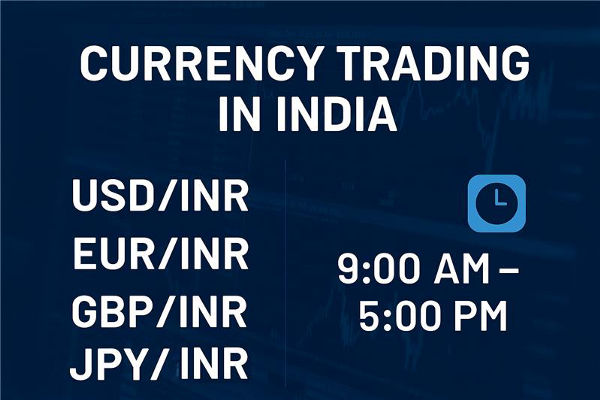
Forex trading is legal in India, but only under strict rules set by regulators. Indian residents can legally trade currency pairs that involve the Indian Rupee (INR) against major global currencies, specifically USD/INR, EUR/INR, GBP/INR, and JPY/INR. These trades must be conducted through regulated brokers and on recognised Indian exchanges.
Trading other currency pairs (such as EUR/USD or GBP/JPY) or using overseas platforms that are not regulated is not permitted and can result in penalties.
Myth 2: Any Online Forex Platform Is Safe for Indian Traders
Fact:
Only regulated brokers are authorised to offer forex trading services to Indian residents. Trading through unregulated or overseas platforms is illegal and exposes you to significant risks, including loss of funds and no legal protection. regulated brokers must comply with strict guidelines to ensure client protection, transparency, and compliance with Indian law.
Myth 3: There Are No Serious Penalties for Illegal Forex Trading
Fact:
Engaging in illegal forex trading can lead to severe consequences. Under the Foreign Exchange Management Act (FEMA), penalties can include hefty fines (up to 300% of the amount involved), asset seizure, and even imprisonment. Regulatory authorities are strict in enforcing these rules to protect traders and the integrity of India's financial system.
Myth 4: You Can Trade Any Currency Pair from India
Fact:
Indian law restricts retail traders to currency pairs that include the INR. While India has permitted trading in select cross-currency pairs (such as EUR/USD, GBP/USD, and USD/JPY) on Indian exchanges, these must be traded through regulated brokers. Spot forex trading, margin trading, and CFDs on foreign currency pairs are not permitted for Indian residents unless specifically authorised.
Myth 5: Paying Tax on Forex Profits Makes All Trading Legal
Fact:
Paying taxes on gains from unauthorised forex trading does not make the activity legal. Even if you declare profits, trading through non-regulated platforms or in unauthorised currency pairs remains a violation of Indian law and can result in penalties.

To trade forex safely and legally in India:
1. Use Only Regulated Brokers:
Always verify that your broker is regulated. You can check a broker's registration on the official website or ask the broker for their registration number.
2. Trade Permitted Currency Pairs:
Stick to INR-based pairs (USD/INR, EUR/INR, GBP/INR, JPY/INR) and approved cross-currency pairs available on Indian exchanges.
3. Stay Informed:
Regularly check updates for any changes in forex trading regulations.
Q1: Is Forex Trading Legal For Retail Traders In India?
Yes, but only with regulated brokers trading INR pairs and approved cross-currency pairs on Indian exchanges in compliance with regulations.
Q2: What Currency Pairs Am I Allowed To Trade Legally In India?
Legal pairs include USD/INR, EUR/INR, GBP/INR, JPY/INR, and certain cross pairs like EUR/USD on Indian exchanges through authorised brokers.
Q3: What Are The Consequences Of Illegal Forex Trading In India?
Penalties can include heavy fines (up to 300% of the amount involved), asset seizure, and imprisonment under Indian law.
Forex trading in India is legal but comes with strict boundaries. By busting these common myths, traders can avoid costly mistakes and focus on safe, compliant trading. Always use regulated brokers, trade within the legal framework, and stay informed to protect your capital and your future.
Disclaimer: This material is for general information purposes only and is not intended as (and should not be considered to be) financial, investment or other advice on which reliance should be placed. No opinion given in the material constitutes a recommendation by EBC or the author that any particular investment, security, transaction or investment strategy is suitable for any specific person.