Published on: 2023-09-05
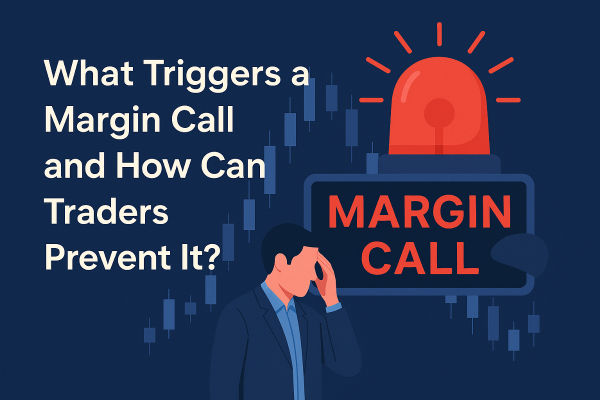
When the trading margin of exchange members or clients is insufficient and not replenished within the prescribed time, or when the positions of members or clients exceed the prescribed limit, or when members or clients violate regulations, the exchange will carry out the mandatory closing of their open positions in order to prevent further expansion of risks. This is the mandatory closing system. The forced liquidation system is a risk management system that cooperates with position restriction systems and price limit systems. Why are futures forcibly liquidated? How do you handle it?
In futures trading, forced liquidation is a risk control measure mainly to avoid losses caused by investors due to excessive investment or market fluctuations. When the risk of futures contracts held by investors is too high, futures exchanges or futures companies will take measures to forcibly close positions to protect market stability and investor interests.
There are several reasons for futures being forcibly liquidated:
1. Insufficient margin
Investors need to pay a certain amount of margin in futures trading. When market fluctuations cause the margin ratio to be lower than the prescribed minimum requirement, investors need to supplement the margin in a timely manner; otherwise, the futures company or exchange will forcibly close their positions.
2. Position limit
In order to prevent market risks, futures exchanges and futures companies will limit the number of positions held by investors. When the number of positions held by investors exceeds the prescribed limit, they will be required to reduce or forcibly close their positions.
3. Risk control
When the risk of futures contracts held by investors is too high, such as the proportion of holdings, volatility, and other indicators exceeding the regulations of the exchange or futures company, it will be considered too high a risk and will be required to forcibly close positions.
4. Trading violations
Investors who violate relevant regulations in futures trading, such as Insider Trading and market manipulation, may be forcibly liquidated by the exchange or futures company and may be subject to corresponding penalties.
How should investors handle forced liquidation?
1. Stay calm
When receiving a notice of forced liquidation, investors should remain calm, analyze the market situation, and determine whether they need to continue holding or re-enter the market.
2. Timely supplement of deposit
If the insufficient margin leads to forced liquidation, investors should promptly supplement the margin to avoid further liquidation.
3. Adjust position strategy
Adjust the position ratio and risk exposure appropriately based on market conditions and investment strategies to reduce the risk of forced liquidation.
4. Compliant Transactions
Comply with relevant regulations and rules on futures trading and avoid being forced to close positions due to violations.
5. Consulting professionals
When encountering the issue of forced liquidation, one can seek the advice of professional investment advisors or lawyers to better solve the problem.
However, how to handle the situation of forced liquidation during a specific operation depends on the individual situation of the investor. One way to handle this is to replenish funds in a timely manner to meet the requirements for maintaining margin in order to maintain the stability of the position. Another way is to reduce positions, such as by selling some contracts or adjusting the number of positions to reduce risk.
It is important to comply with the regulations and requirements of the exchange or broker and closely monitor the financial situation and volatility of the account. Clear risk management strategies should also be developed, including setting stop-loss orders and establishing position control rules to avoid situations of forced liquidation.
Disclaimer: This material is for general information purposes only and is not intended as (and should not be considered to be) financial, investment or other advice on which reliance should be placed. No opinion given in the material constitutes a recommendation by EBC or the author that any particular investment, security, transaction or investment strategy is suitable for any specific person.